I’m no expert when it comes to wine.
Honestly. When I taste it, my very first distinction is still this: I like it or I don’t. Analysis over.
And here’s a detail that really shouldn’t be overlooked: I practically never drink wine. Remember that—it’s for the finish…
But I’m Valtellina. And I know the vineyards, that’s for sure. I go for a walk there every day with Pimpa.
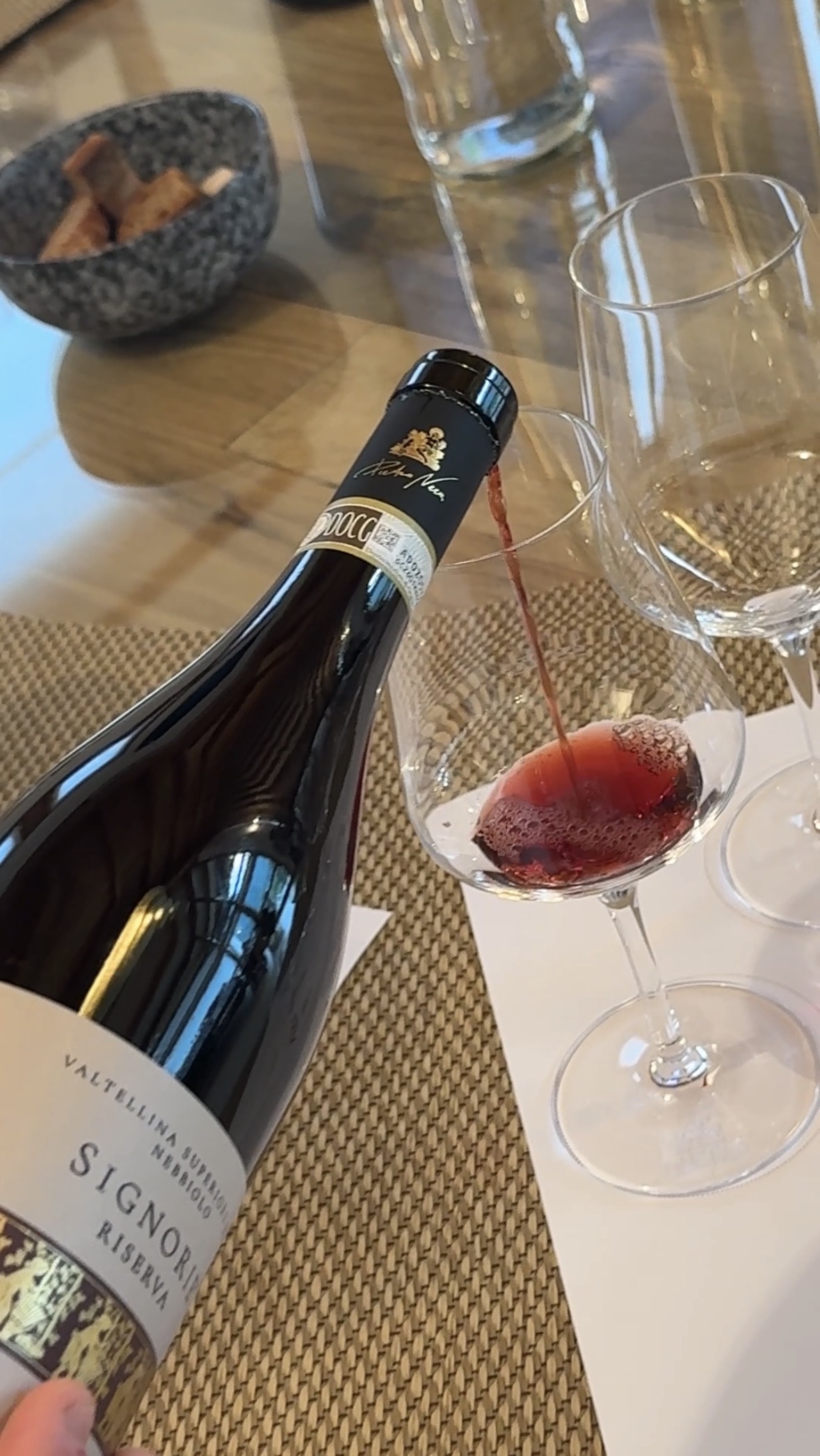
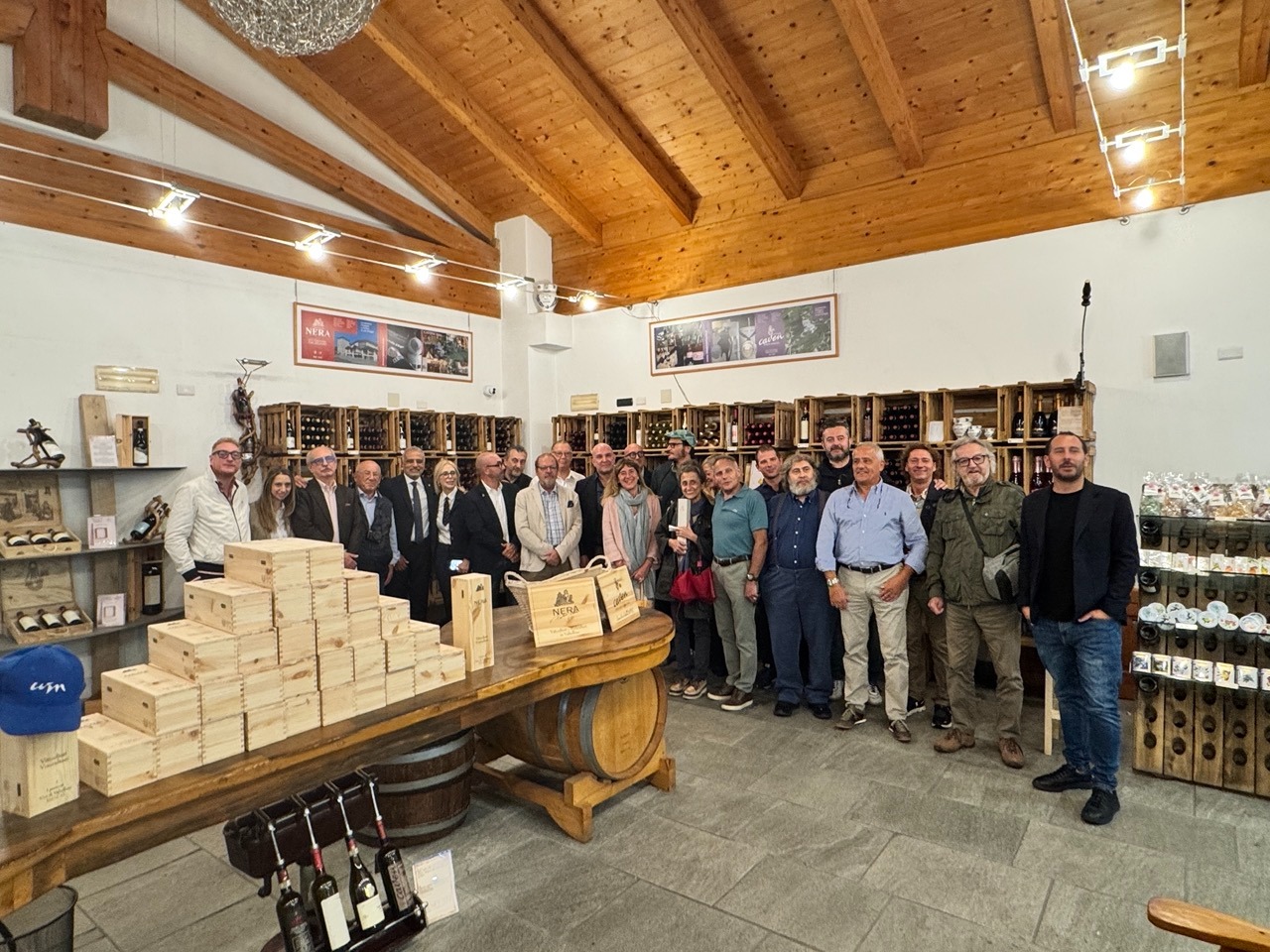
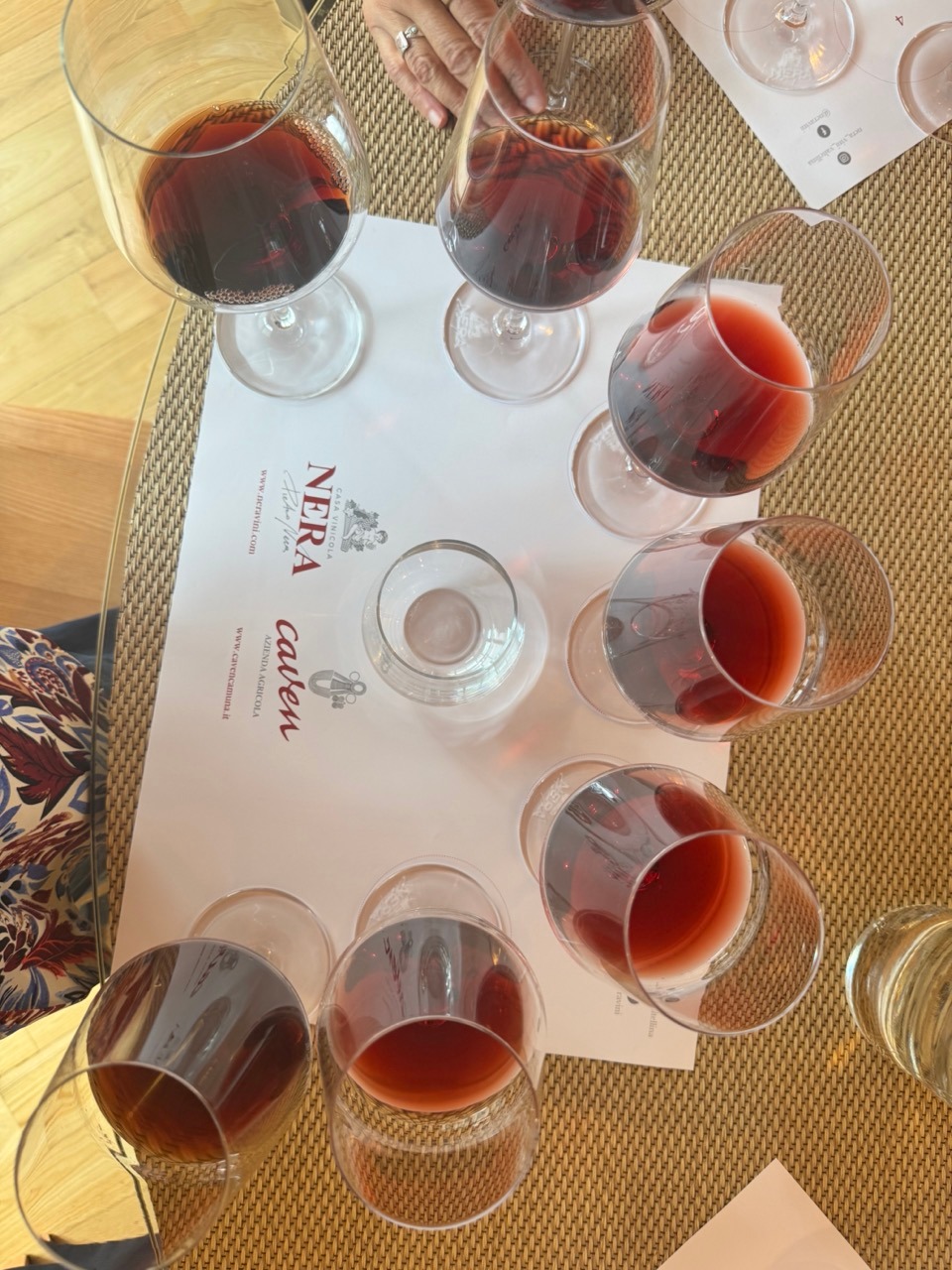
A few days ago, Sara Missaglia—journalist and sommelier—invited me to a tasting at Cantine Nera in Chiuro, organised by Simone, Stefano and Angela, who run the winery their father started.
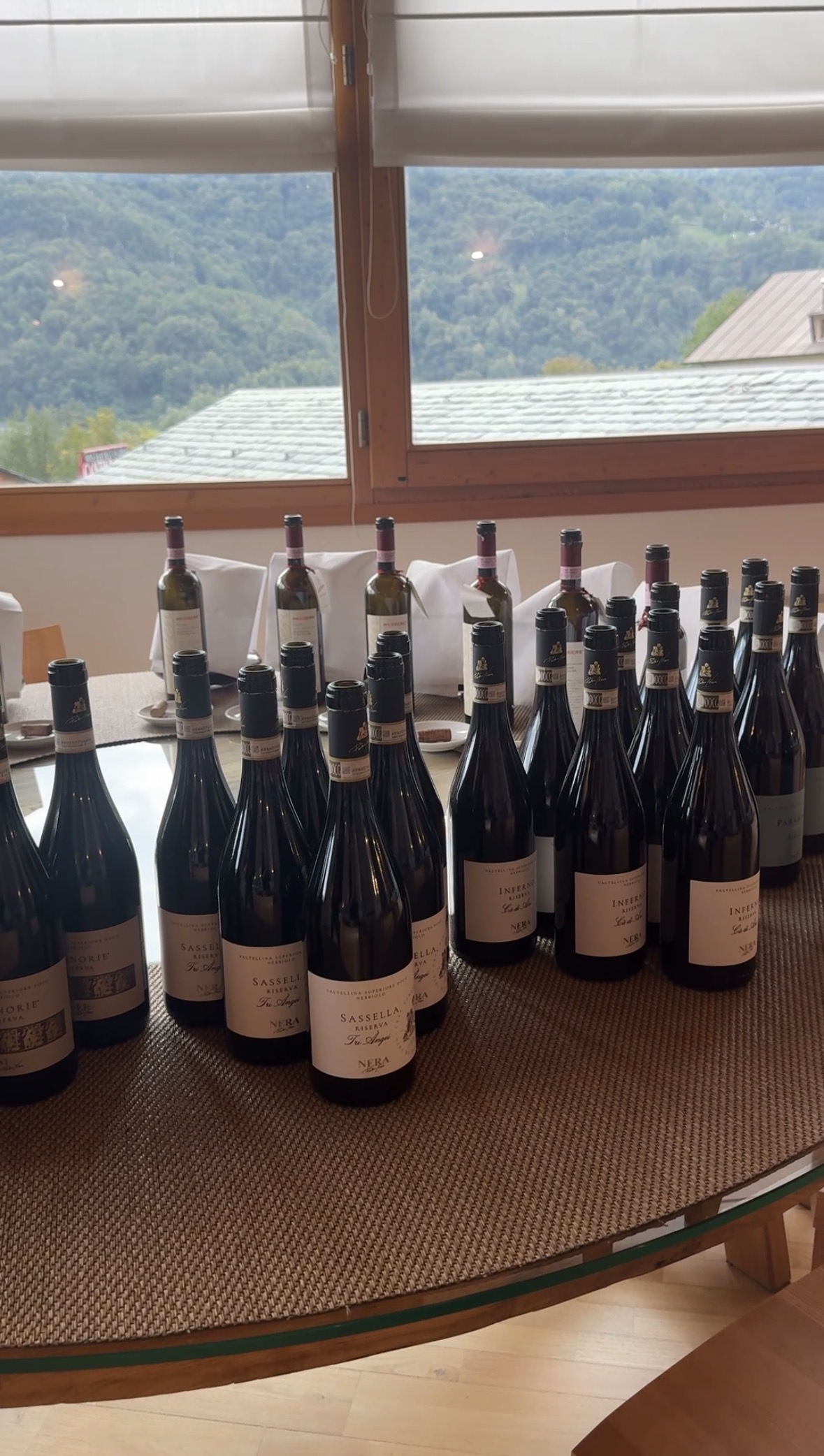
Today’s title: «I Millesimi del Tempo». The theme: Nebbiolo from the Alps and how it changes over the years.
Around me, journalists, bloggers, sommeliers, experts. Loads of people from outside the province.
Folk tasting, sniffing, taking sips. And writing. Making notes. So many notes.
Me?
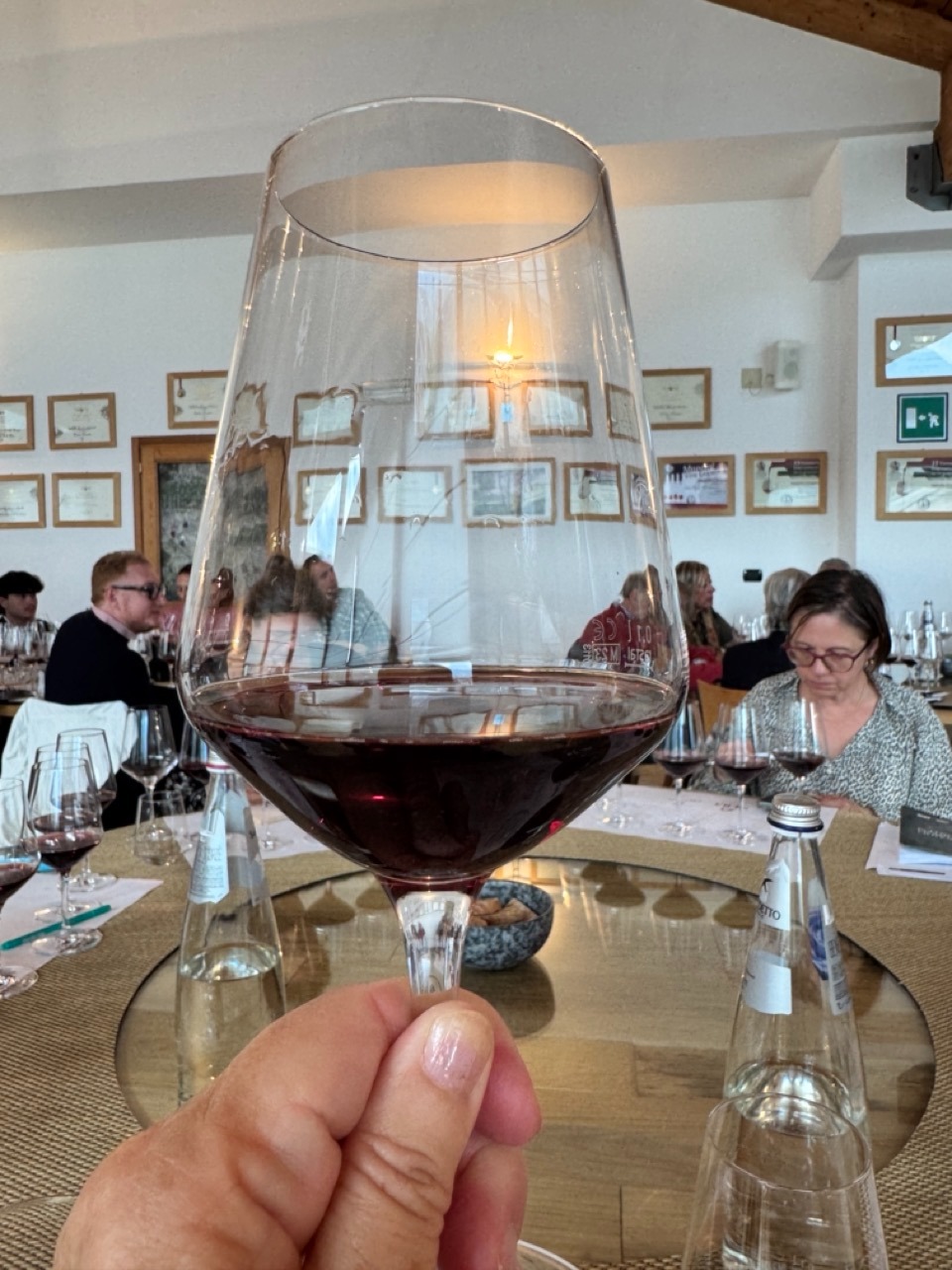
I was watching what everyone else was doing. I picked up my glass. A sip. A sniff. I pretended I knew what I was talking about too.
Uh… I understood very little.
Of all those aromas, I can catch maybe a tenth. The rest I can only guess from the expressions on other people’s faces.
Still, I enjoy it. And nobody can take that away from me.
I was a fish out of water, really. Remember that too.
Luckily, Sara was there.
Sara tells you all about the wine. Straightforward, with a smile, without making you feel like you’re completely clueless.
She talks about the fruit, the flowers, the tannins, and how ageing changes everything.
And while she’s speaking, you can genuinely feel it. Or at least it feels that way. (Sometimes, I admit, it’s more down to her than my nose.)
You go back to your glass and try to pick up what she said: sometimes you catch it, sometimes you don’t, but in the meantime you’ve started wanting to drink it, to savour it slowly rather than gulp it down.
I then close my eyes when I taste. It feels like I can pick up more. First of all, I probably sniff… I wouldn’t know how to describe everything with the right words (the experts used “nuances”, I thought “good”), but I’m starting to notice the difference between one wine and another.
For me, that’s already a lot.
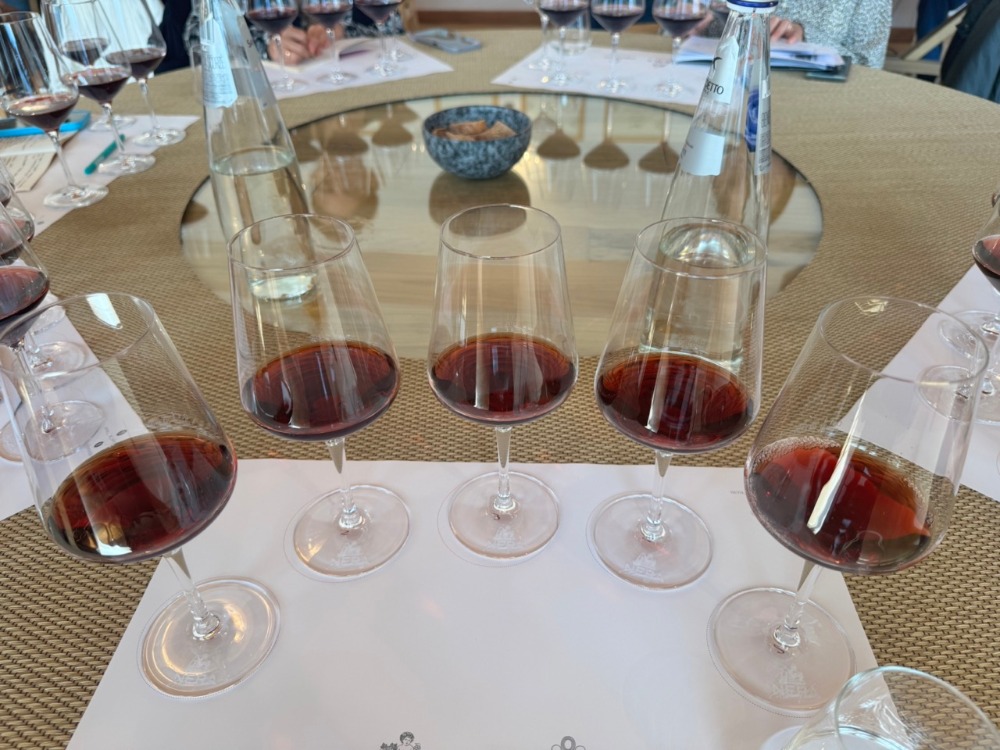
All in all, we tasted seven wines, each with its own story.
That here the Nebbiolo is called Chiavennasca—I’ve known that for ages.
(And no, Chiavenna isn’t the link. Or at least, the version I know is different: it comes from ciü vinasca, meaning “that makes more wine”, and the local dialect lines up.)
What I understood better is that the same grape variety doesn’t necessarily produce the same wine, because the vineyard, the season, the winemaking and the ageing all matter.
Then two bottles from 2002 and 2001 arrived—one of them a Sforzato—wines with more than twenty years behind them, opened specifically for the occasion. The experts talked about how they’d changed over time, and I tasted while trying to keep up with the logic—more curious than knowledgeable, you could say.
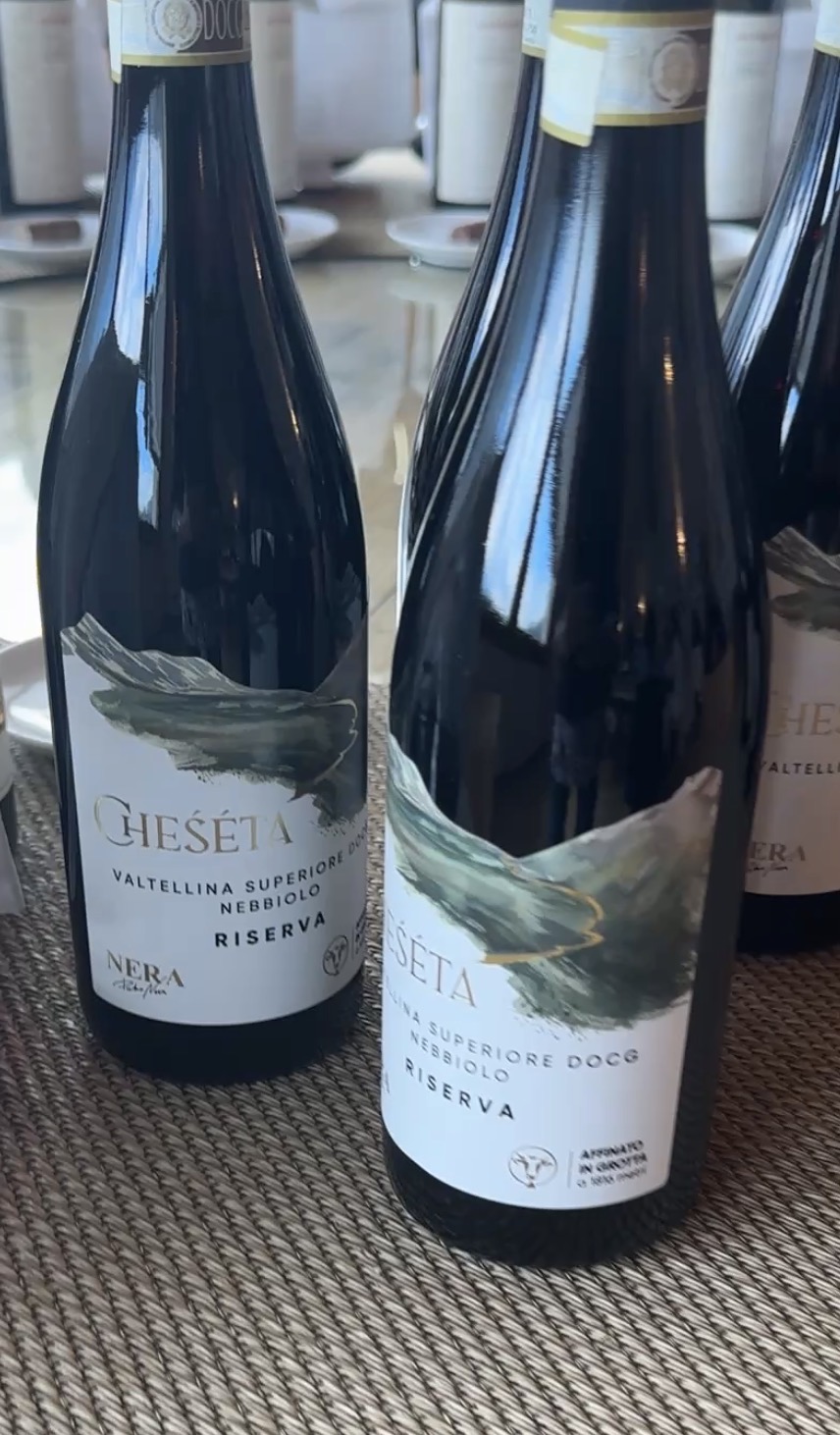
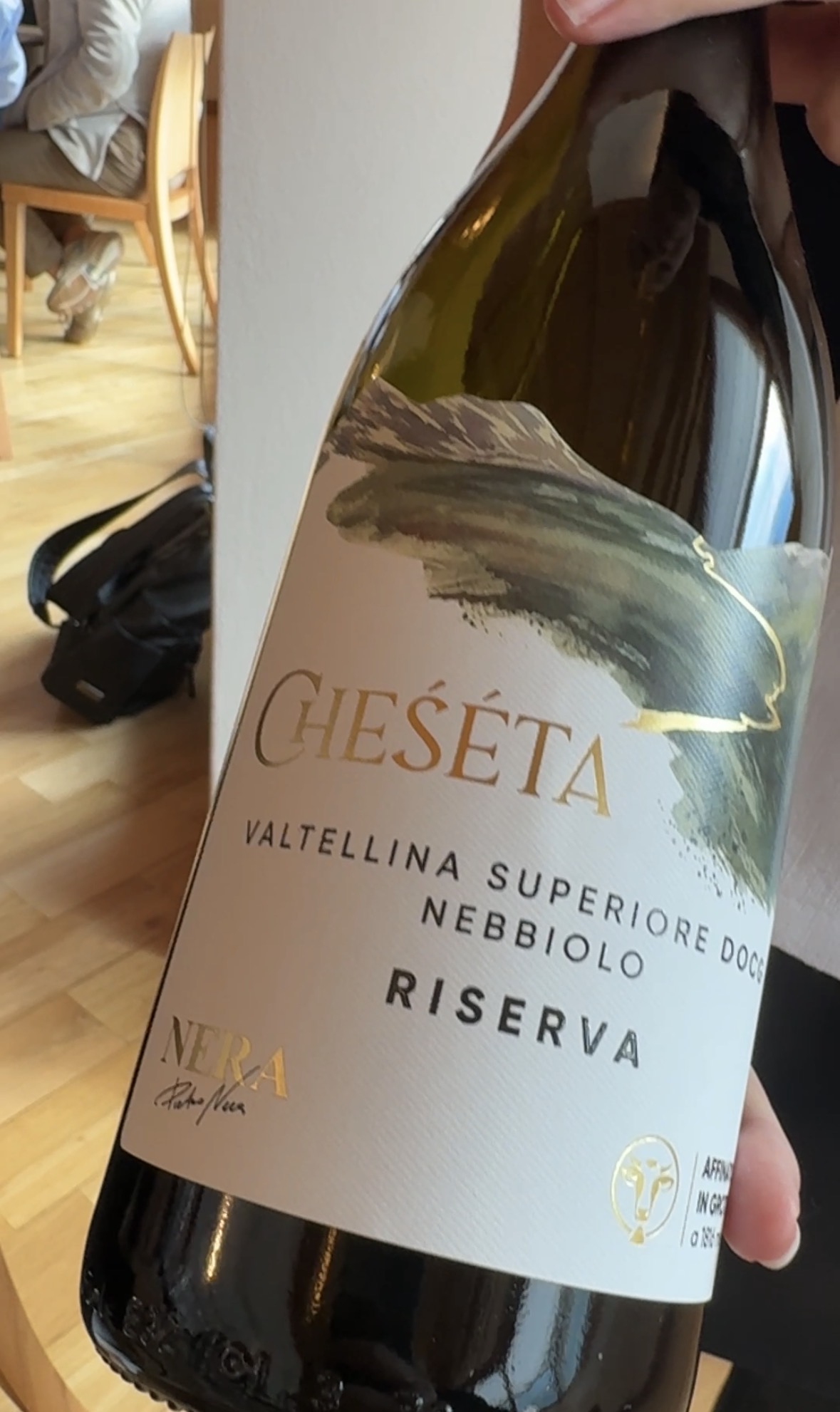
And then there’s the Cheséta, matured at the Latteria di Livigno at 1,800 metres, mind you, it’s not the vines that are up there—it’s the wine that’s brought to us. I found it fresh, distinctive, with a flavour I wouldn’t know how to describe. If you ask me what nuances I recognised, you’ll put me on the spot, but if you ask me which one I liked most—I’ve got no doubts: it was him.
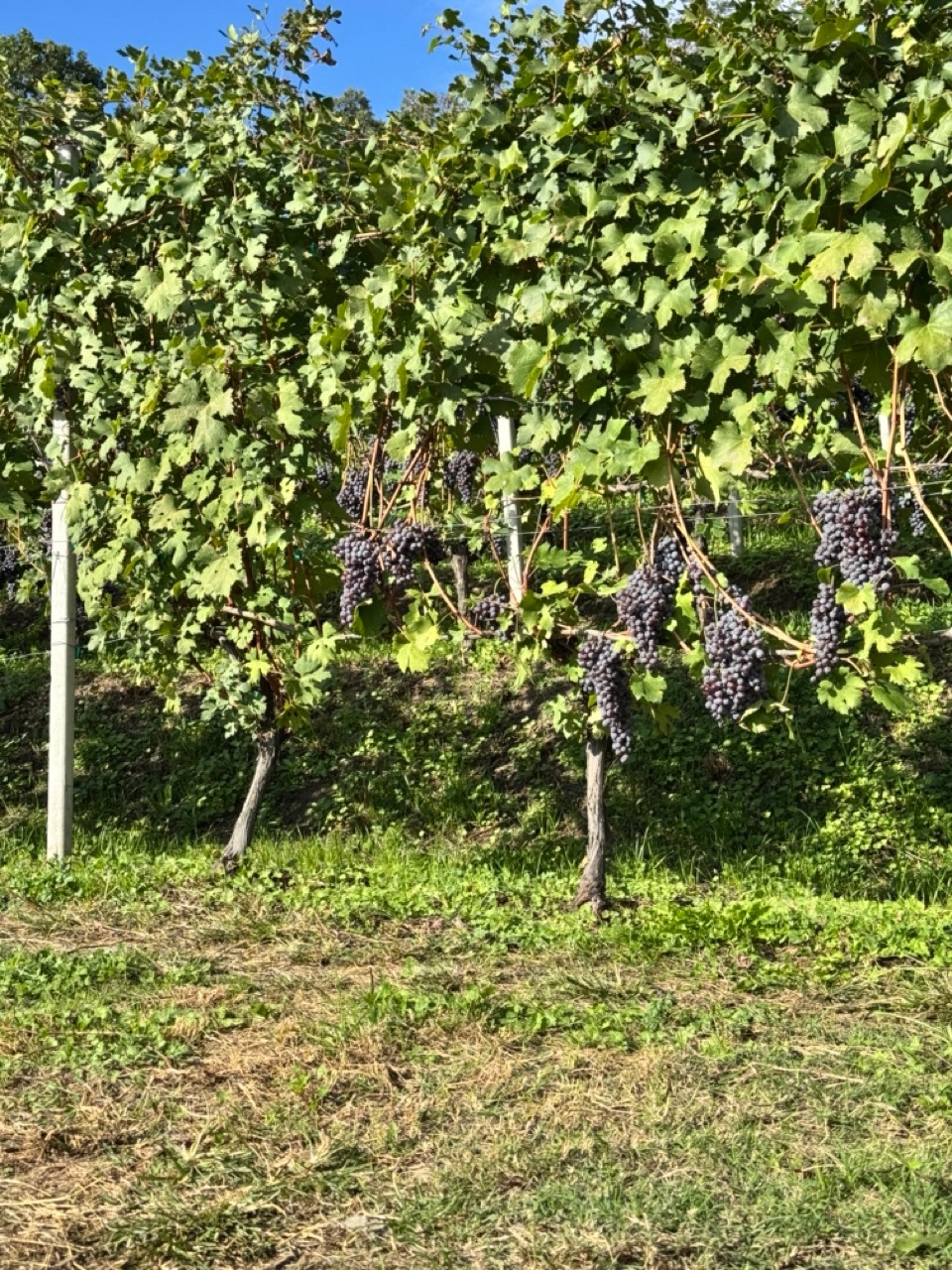
At one point, we started talking about the Inferno zone, where the winery has a few vineyards, and I pricked up my ears, because those rows are familiar to me: I walk them every day with Pimpa.
There was also meant to be a visit in that very vineyard, but it started raining and that plan went out the window. What a shame, because for everyone else it would’ve been an outing, but for me it’s like taking a stroll in my own home.
We also talked about the weather, how different vintages never seem to match, and harvest day—the grapes being picked, checked and cleaned before they even get to the winery. With all the slopes and dry-stone walls, a lot of this work is still done by hand, and I see it every day, but hearing it described by the people who work there is something else: afterwards, you look at the glass in a different way, because you know that inside there’s a whole season.
Then we moved on to the San Carlo restaurant in Chiuro, and, of course, the tastings carried on.
On the table came the marshalled trout from Val Masino, marinated with beetroot foam and braised endive; the porcini tortello with potato cream and aged mountain ricotta; the chisciöl with a little side salad; and, to finish, cheeses from Latteria di Livigno, with a taste of panun.
Each dish came with its own cellar wine and an explanation of the pairing, balancing delicacy, savouriness and a touch of sweetness. My favourite? The trout—because I love fish—and at last, this fish out of its element felt at home at the table.
By the end of the day, I’d tried a whole lot of wines, listened to plenty of explanations, and picked up on a few extra notes. Sommelier? No—but a bit more attentive, yes.
Then I went back home, flopped onto the bed and slept for an hour.
Remember the preamble? I practically never drink wine, and seven tastings plus a paired lunch, for me, is a marathon. It was a fantastic day, sure—but I earned that nap properly.