Bresaola o Brisaola
Tue, 29/04/2025 - Curiosities
Tue, 29/04/2025 - Curiosities
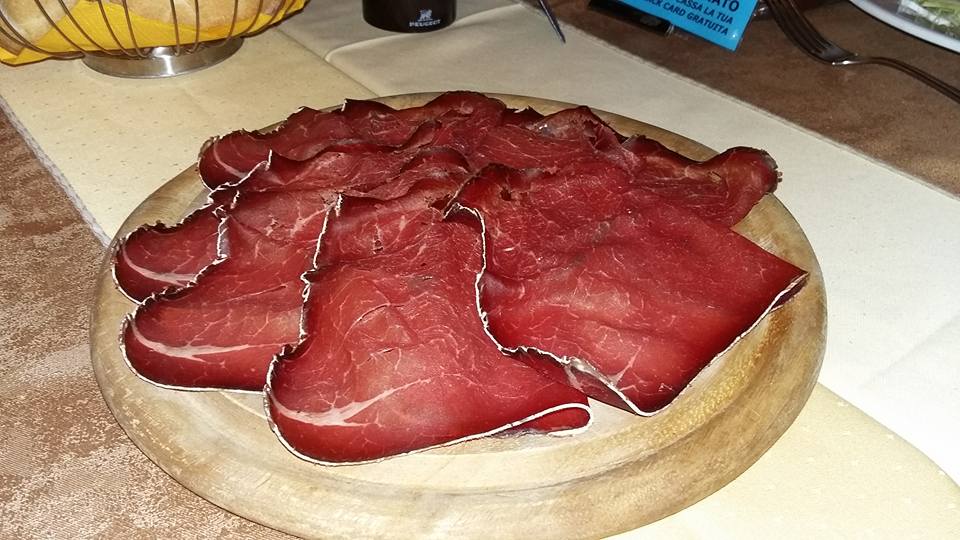
Bresaola o Brisaola
It is quite difficult to precisely determine the origin of the name of this cured meat.
It could derive from the expression "sala come brisa," due to the use of salt in preservation and the fact that in Valchiavenna (a valley near Valtellina) "brisa" referred to a highly salted gland of cattle.
However, some trace the origin of this name to the term "brasa" (in dialect it means embers) since once the drying of the product took place in rooms heated by braziers fueled by fir wood coal and berries of juniper, thyme, and bay leaves. From "brisaola," the name later evolved over the years into "bresaola."
The first literary testimonies related to bresaola production date back to the 15th century, but the origin of the cured meat is certainly much earlier. Production remained limited to family settings until the early decades of the 19th century.
In the 19th century, the artisanal processing of the cured meat became particularly flourishing and the product crossed national borders to be exported to nearby Switzerland. The agri-food sector has traditionally been very strong in Valtellina, whose excellent gastronomic specialties are sold throughout Italy and Switzerland.