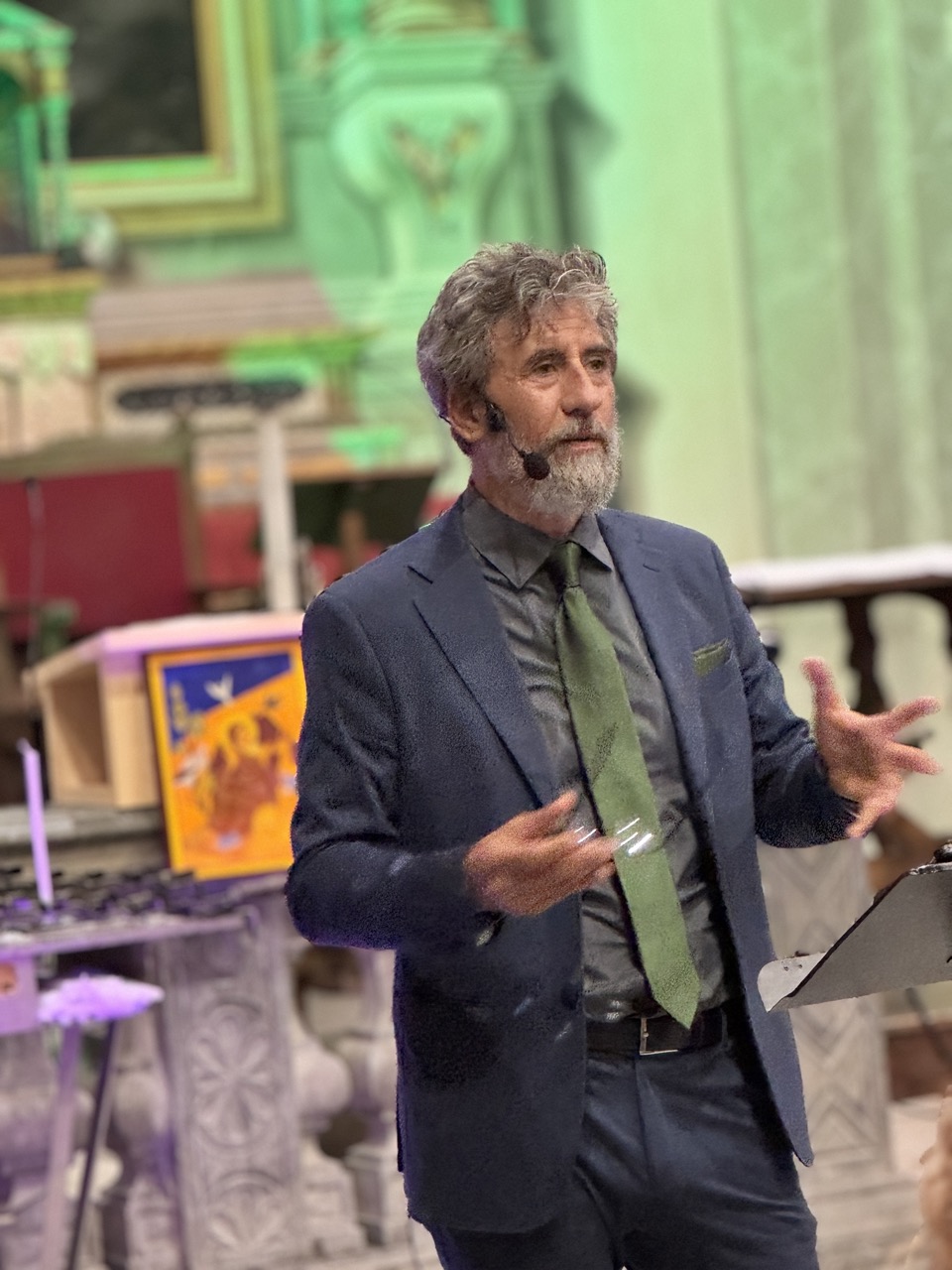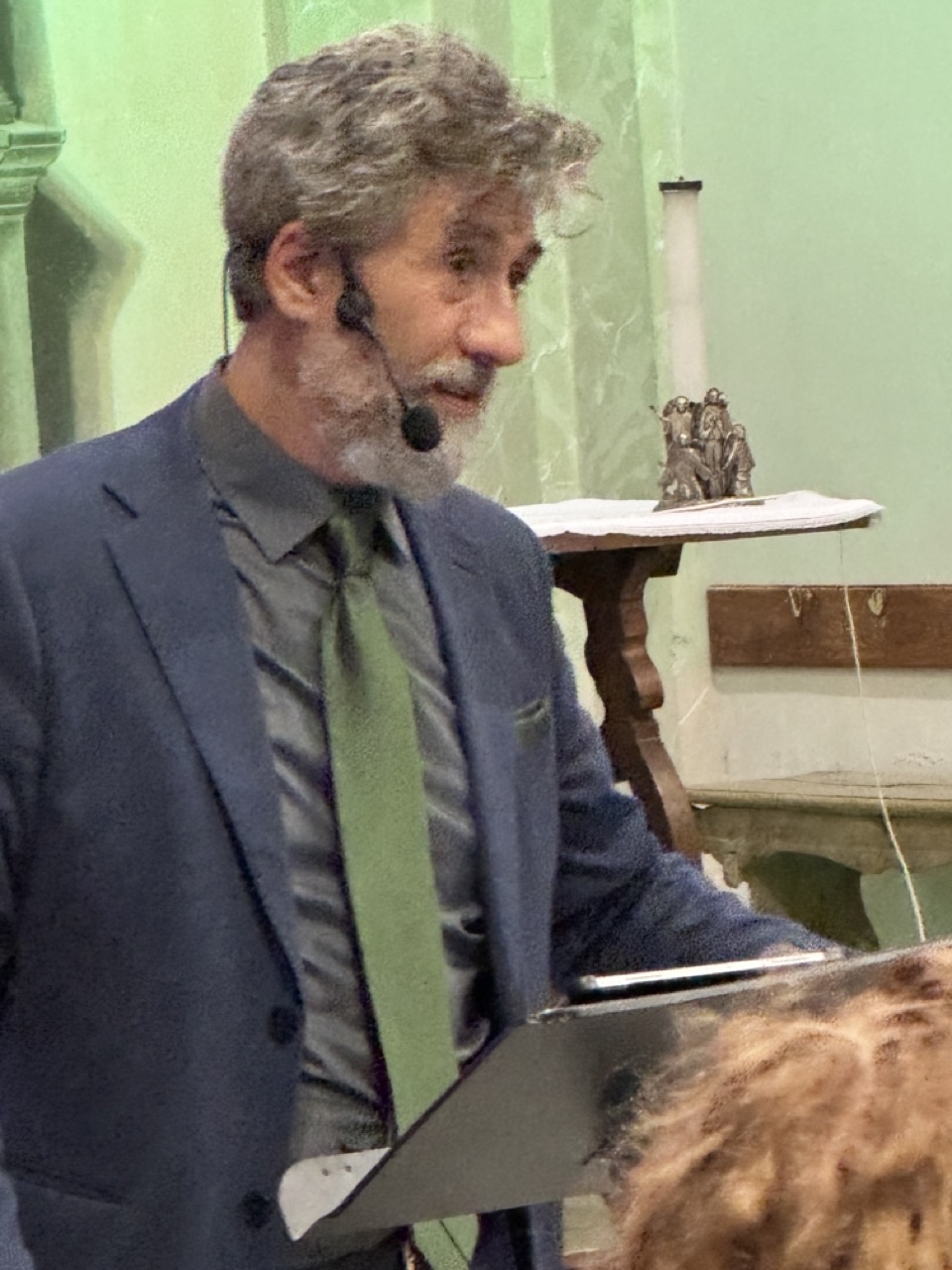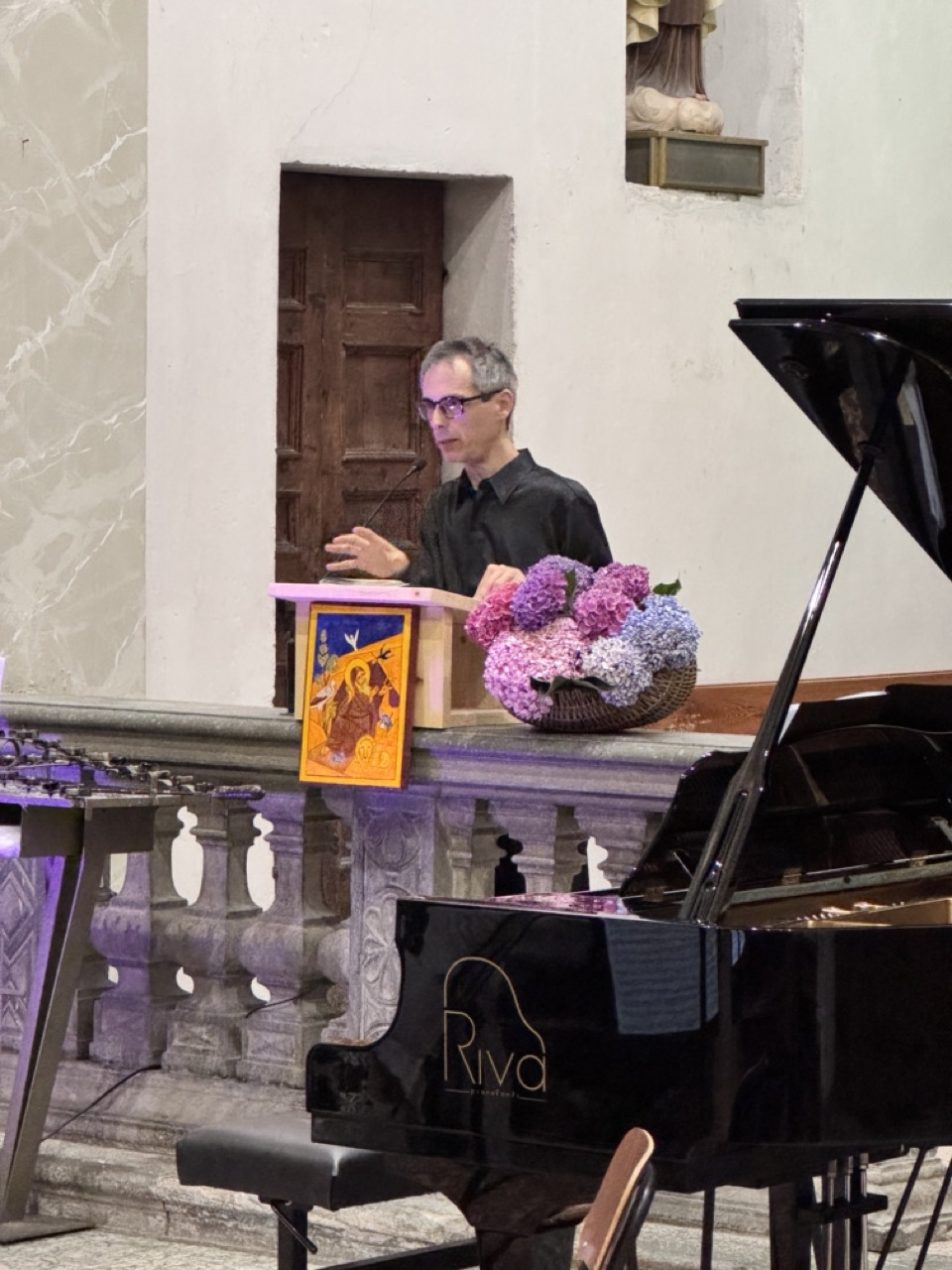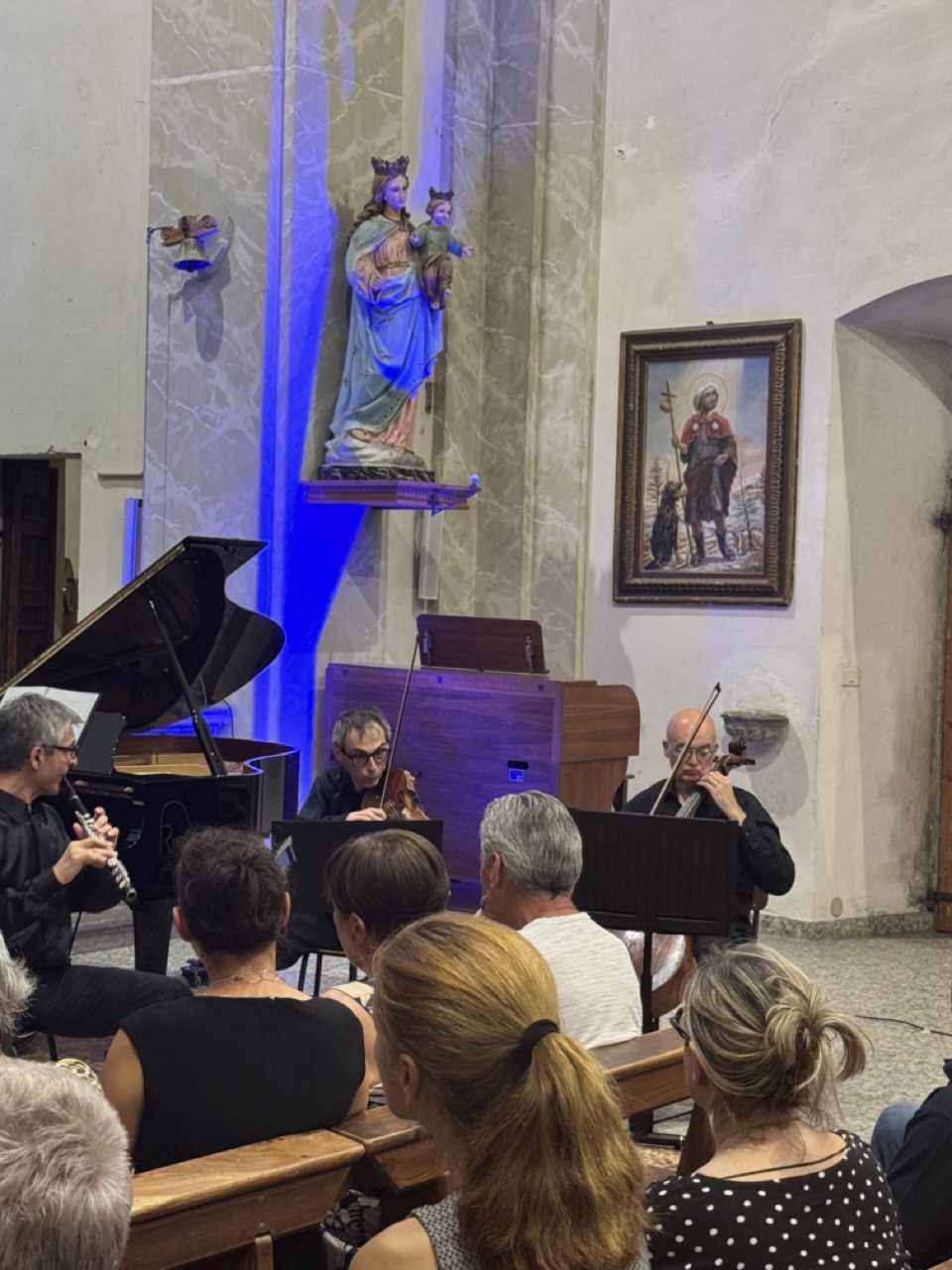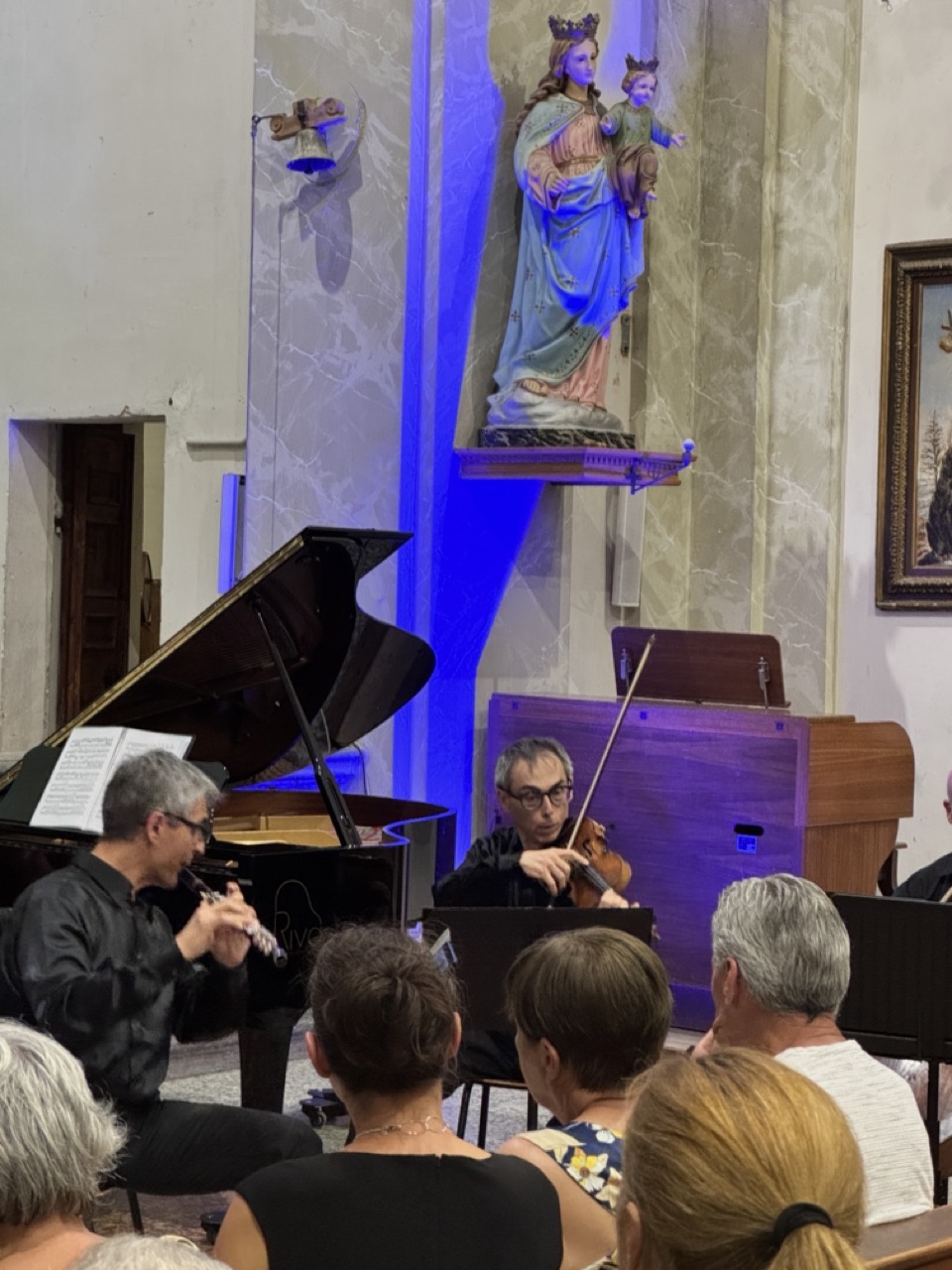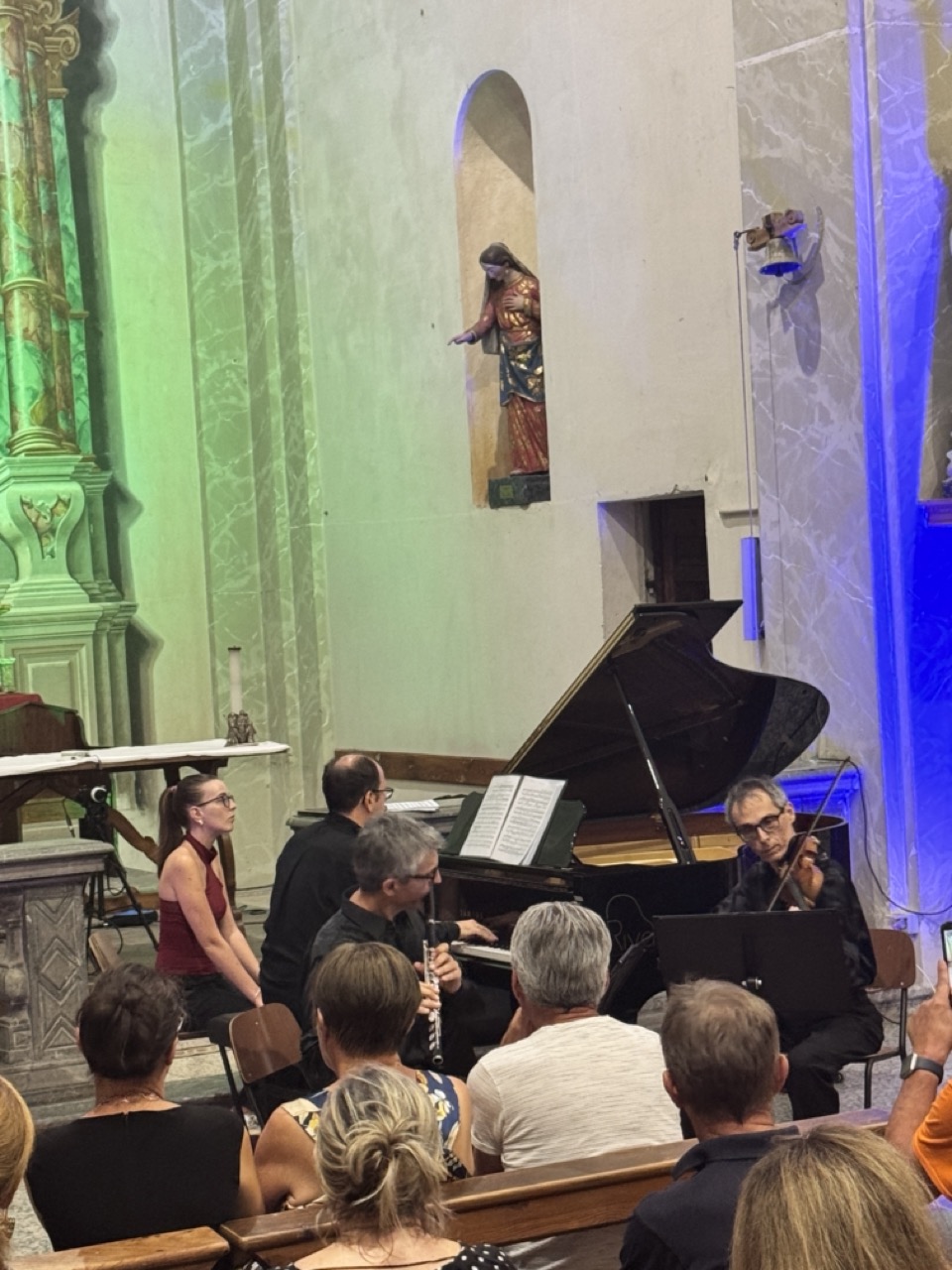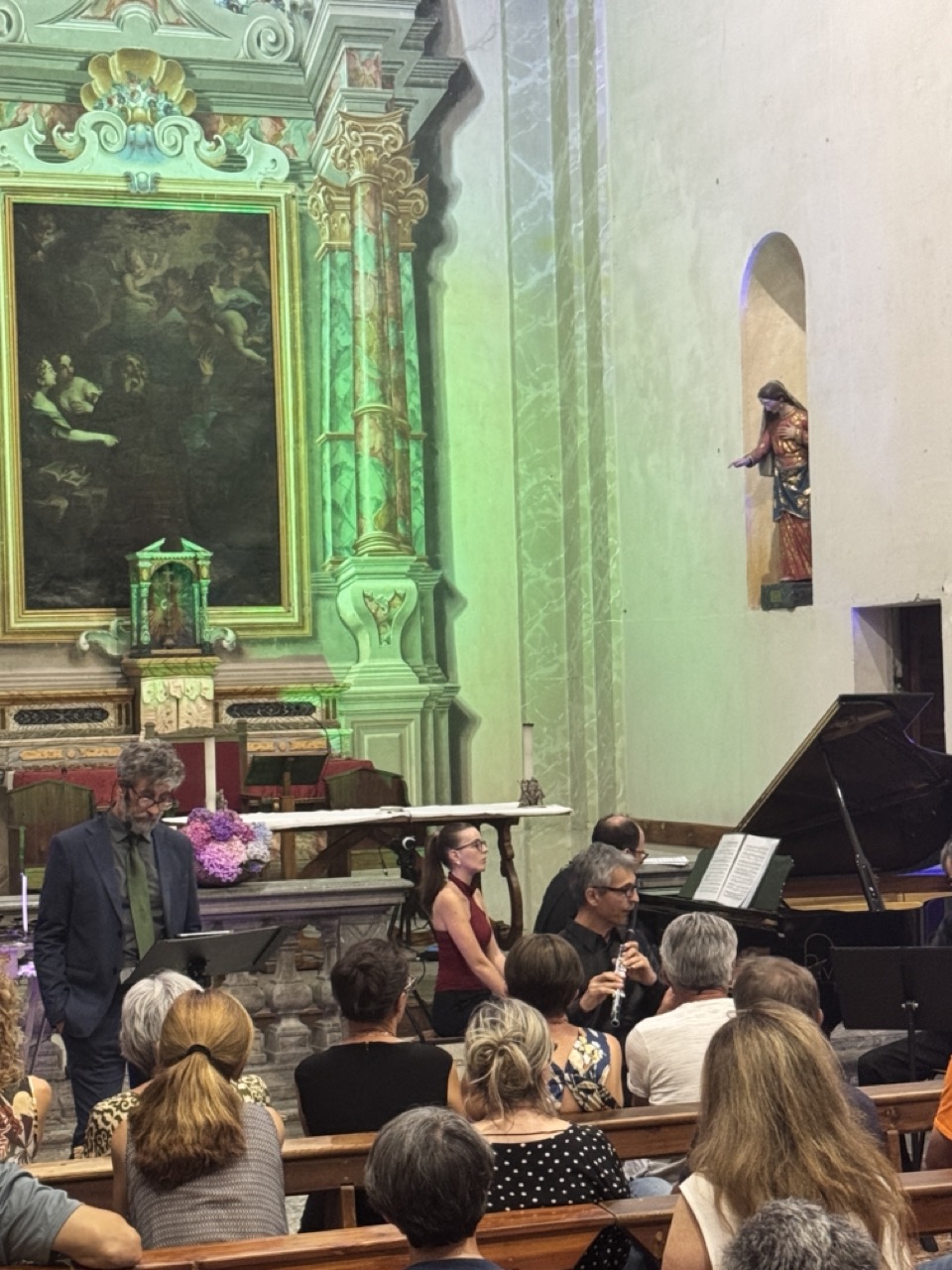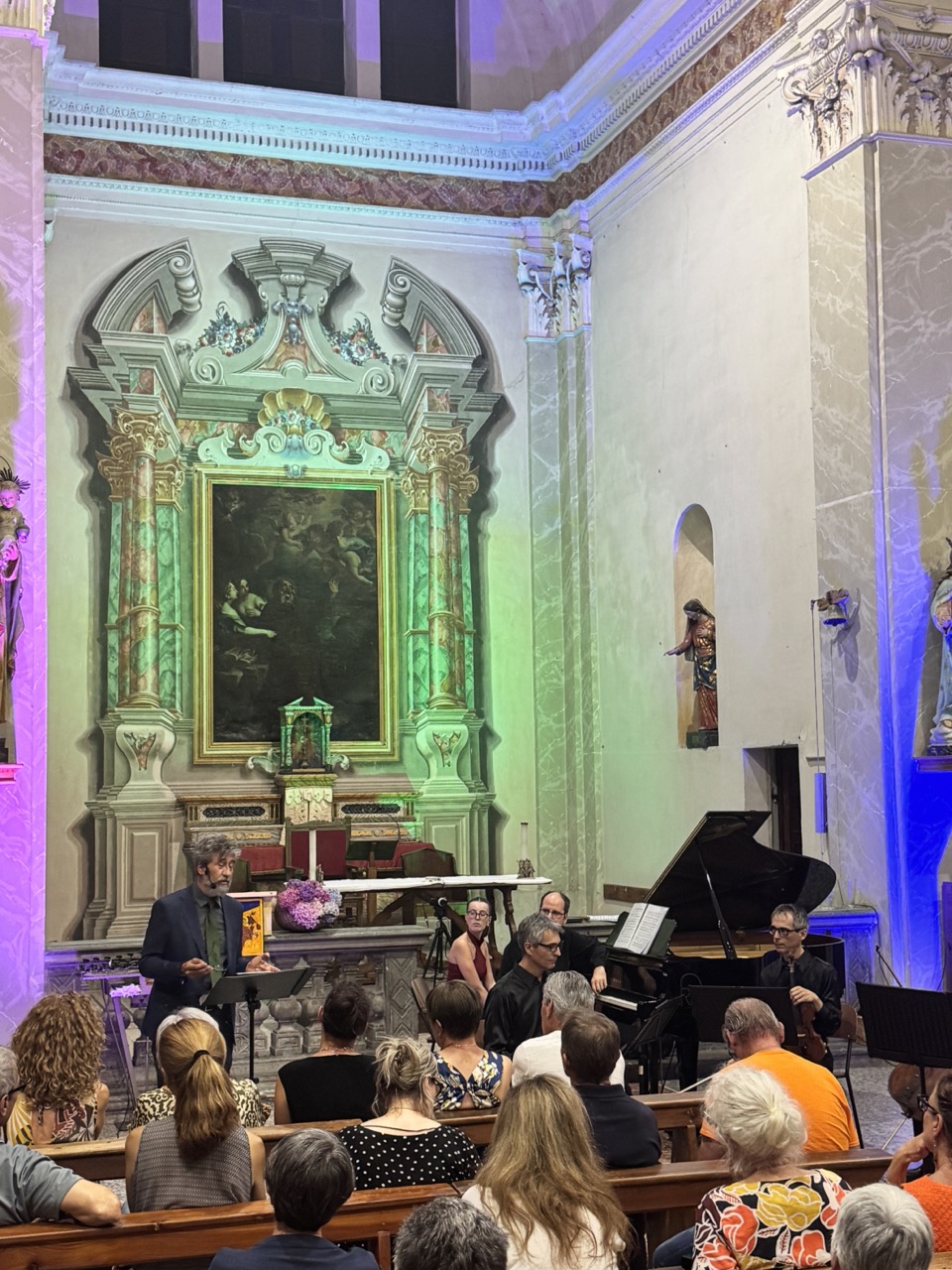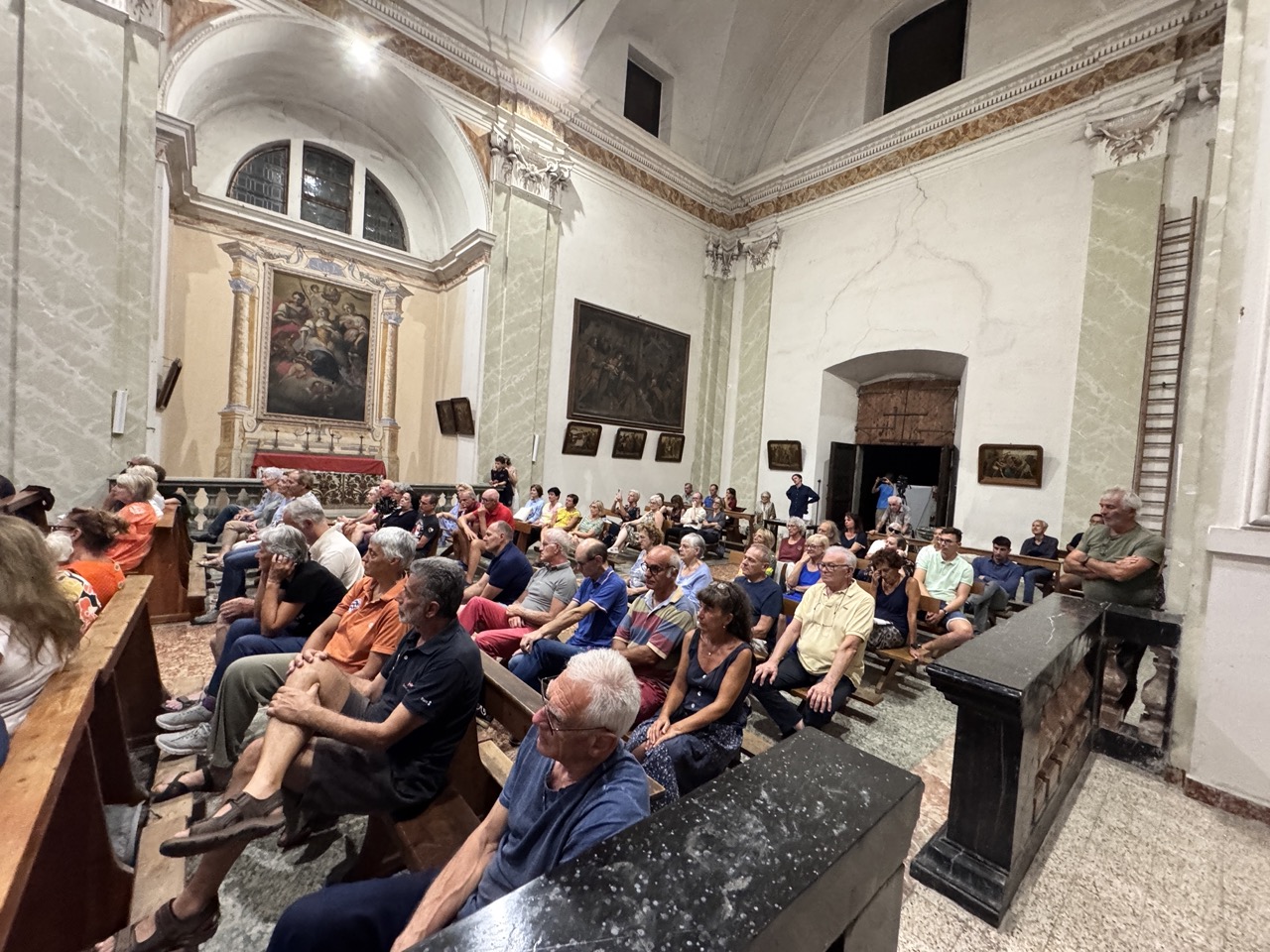
The common thread was Saint Paul, a revolutionary figure in Christian theology, the first true "communicator" of the word of Jesus to the world. Degl’Innocenti painted a vivid portrait of him, starting from his transformation from Saul to Paul, passing through his strongest insights: a possible paradise for all, the value of weakness as a space for divine strength, the adoption of the cross as a symbol of universal salvation.
Opening the narrative were the words of Borges, according to whom all the stories of the world can be reduced to four fundamental plots: the defense of a city, a quest, a return, and the sacrifice of a god. Plots that intertwine also in the life of Paul, resonating in each of us.
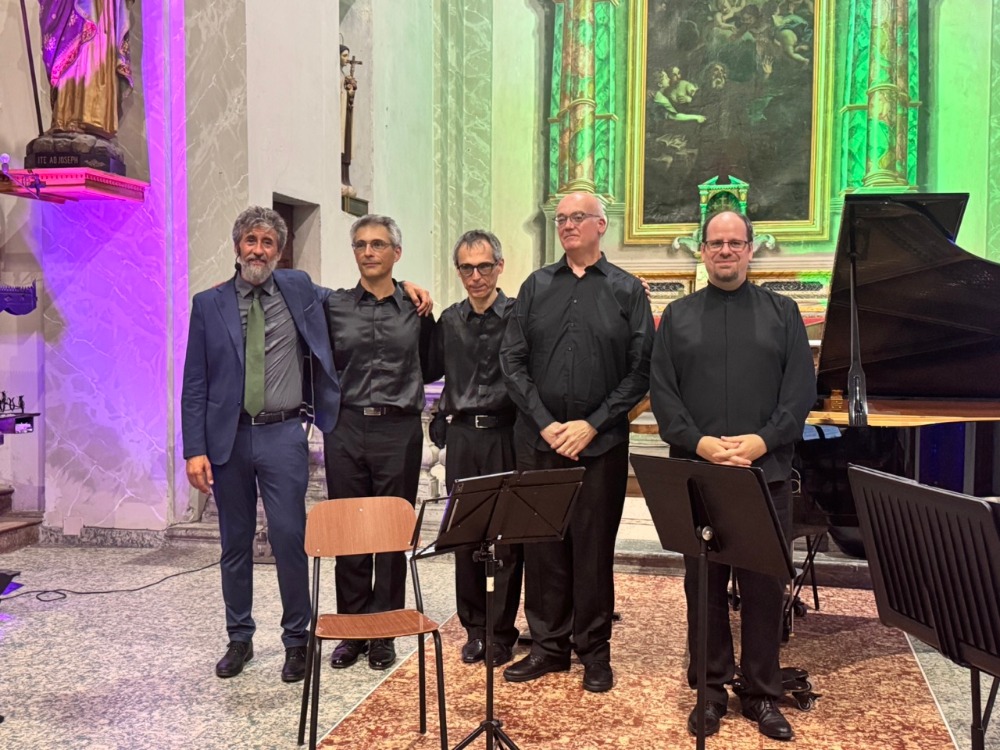
Accompanied by an original composition by Maestro Dario Bonuccelli, Lorenzo skillfully wove together thoughts, quotes, and reflections. He spoke of doubt, of Paul’s restlessness, never a man "arrived," but always searching, and he put him in dialogue with the figure of Tolstoy, who was obsessed his entire life with the meaning of things, ultimately finding an anarchic and pacifist spirituality in old age. A passage from La confessione gave voice to this search with authentic words rich in meaning.
The perhaps most poignant moment came with the poem by Palestinian Ni’ma Hassan, read to remind us that the places traversed by Paul, once centers of knowledge and culture, are now deserts of war. The pain of a mother in Gaza, told in verses, brought spirituality back to its most concrete root: that of human suffering, which asks for listening and compassion.