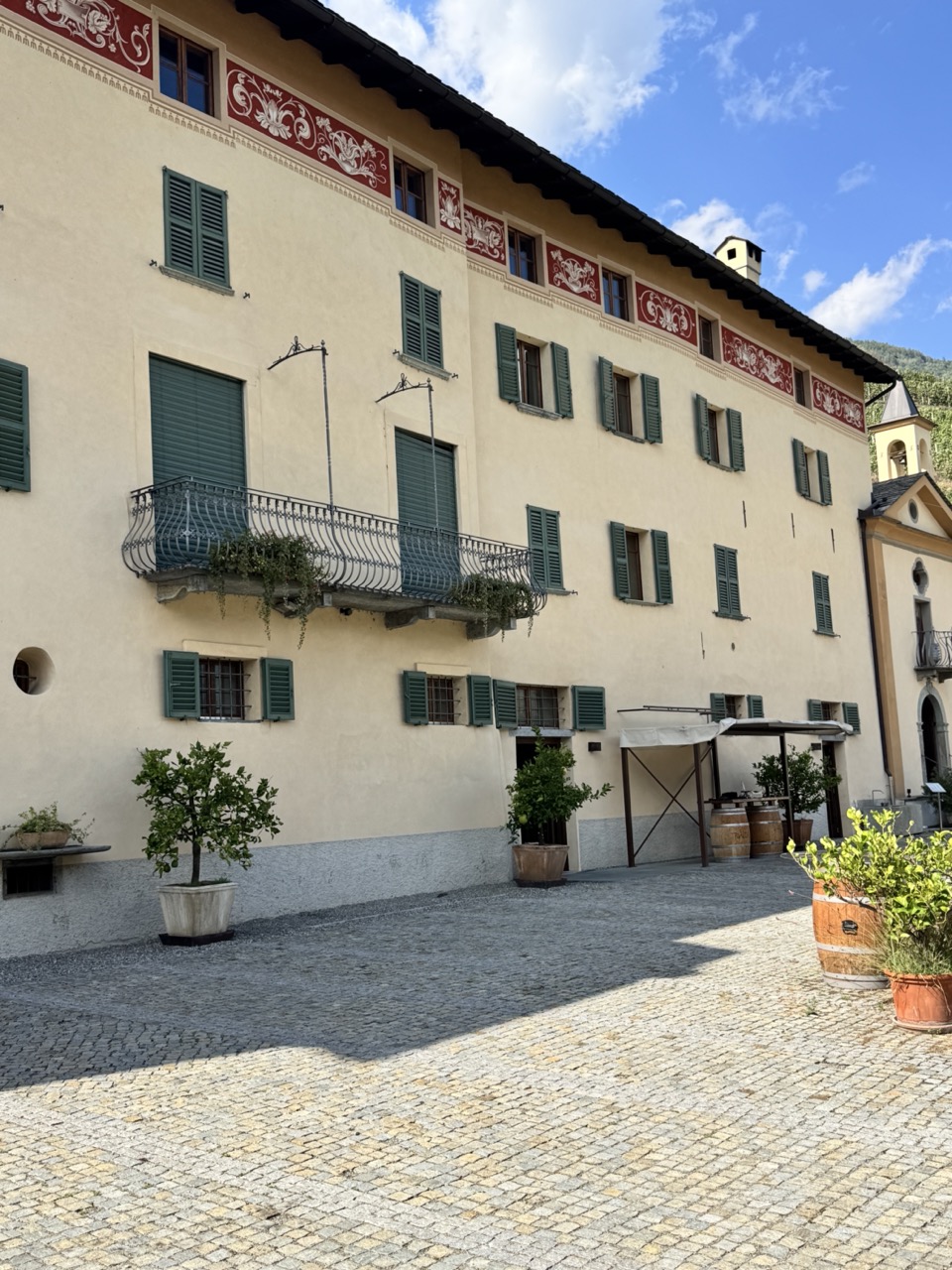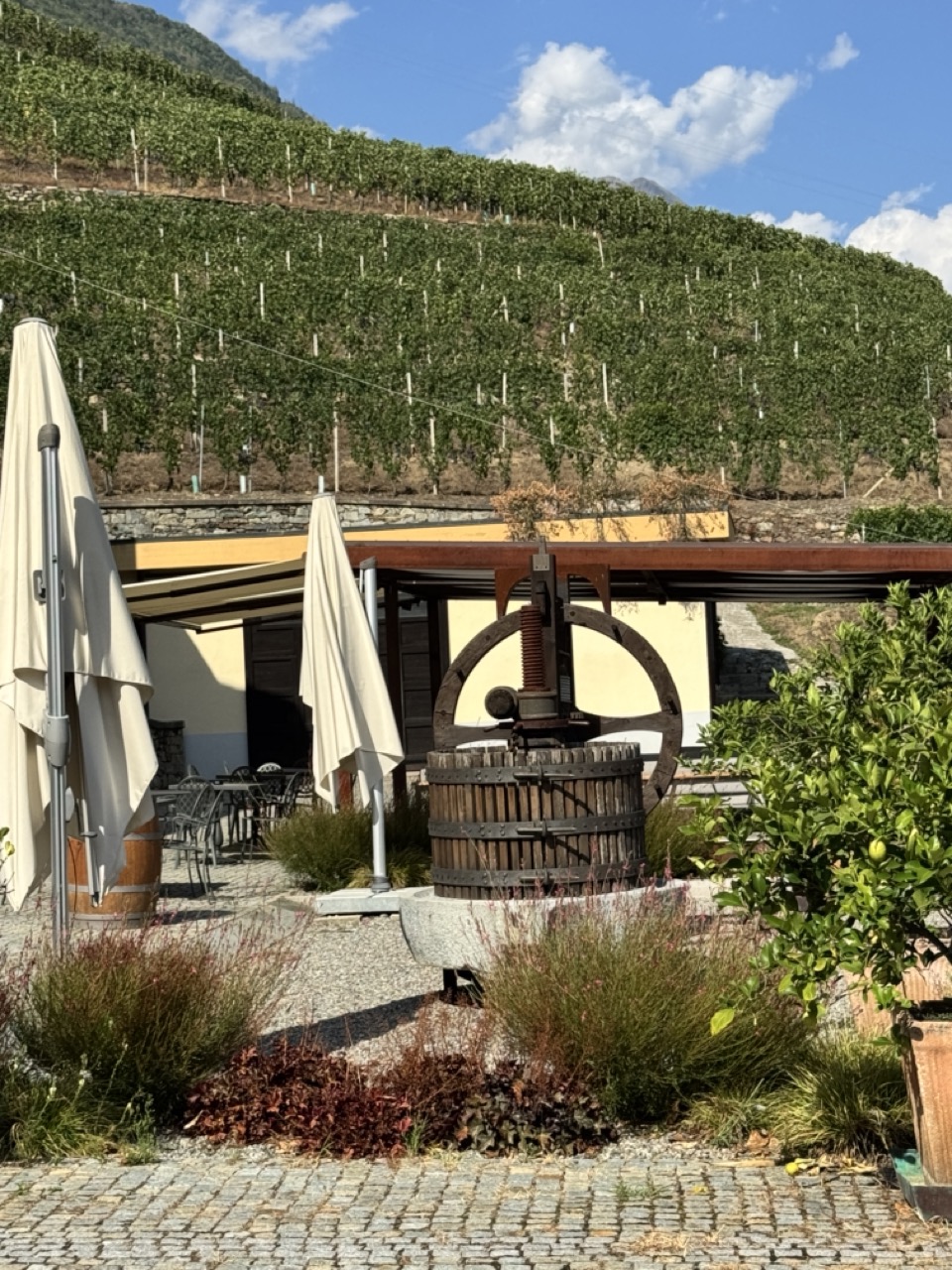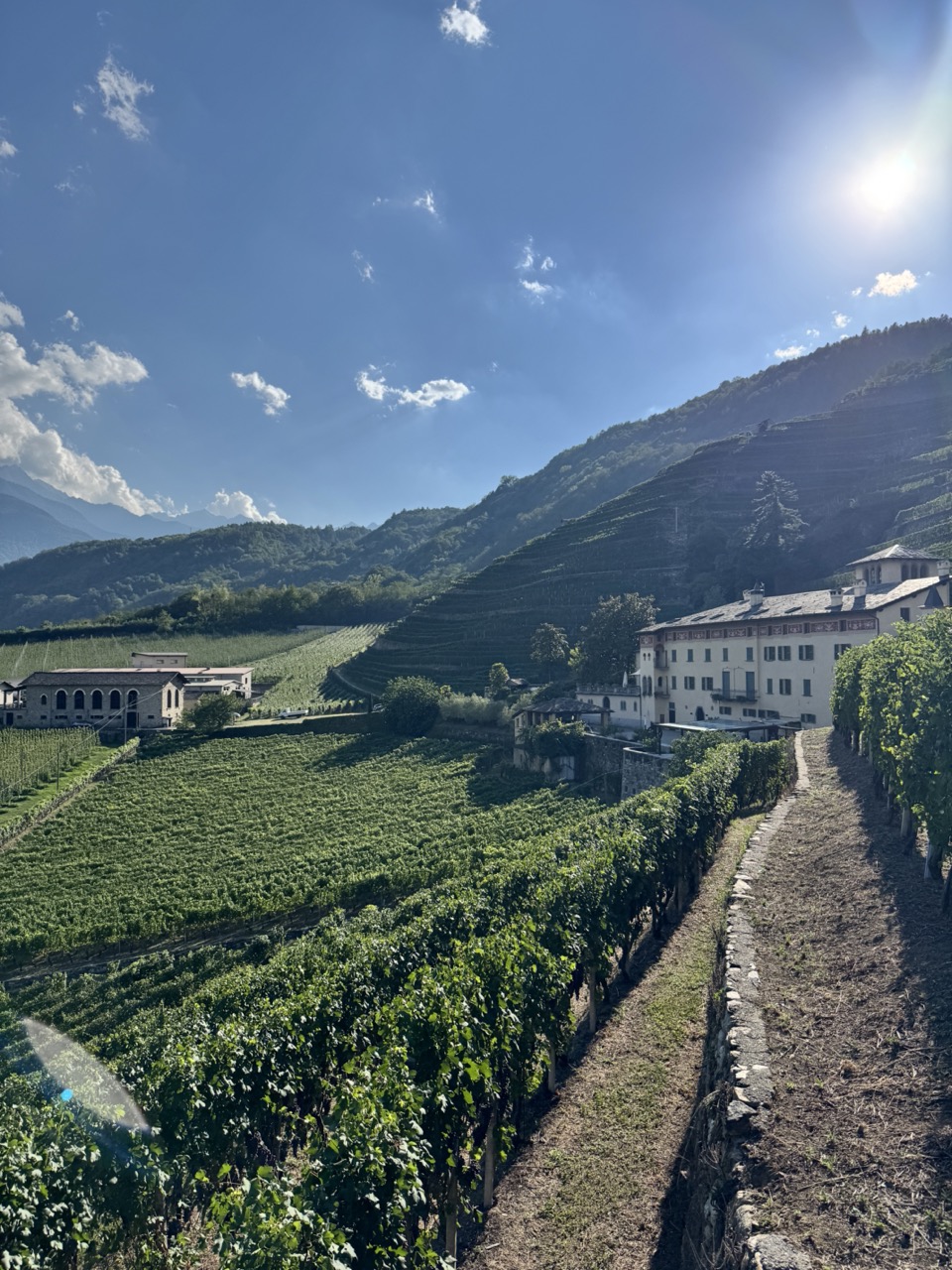
A mansion. An oratory right next to it. Thirteen hectares of vineyards that slope down the hillside above Bianzone.
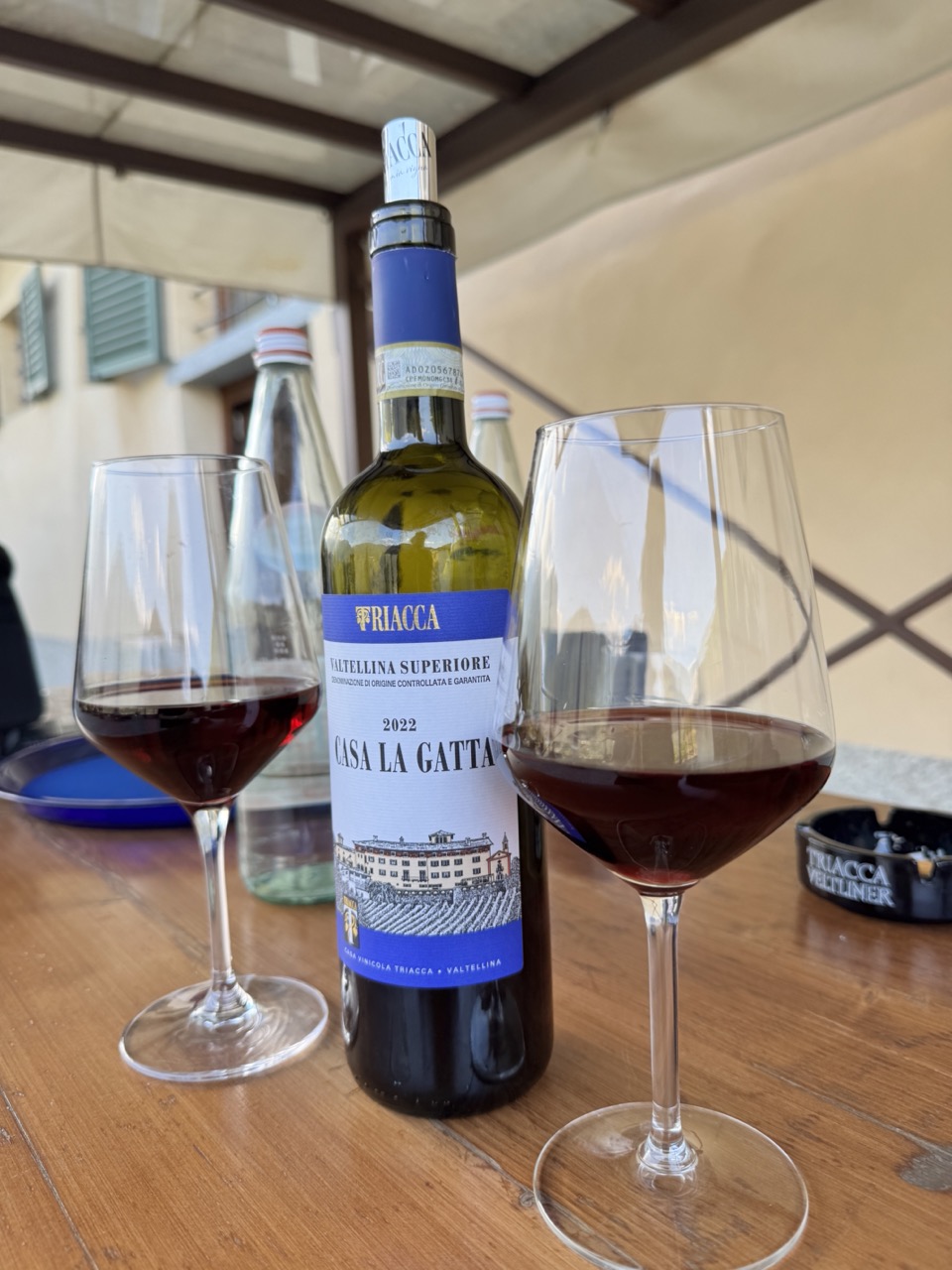
This is La Gatta, today. Since 1969 it has been in the Triacca family’s hands, which has put its stamp on the place by adding a cellar, tastings and guided tours—plus simple, local and down-to-earth food, designed to complement the whole food-and-wine experience. Not a restaurant with a full à la carte menu.
Local tradition says it began life in the 1500s as a Dominican monastery (the more cautious historical sources prefer to hedge: the solid documents start from the 1600s). But the interesting part here isn’t so much deciding who was right—it’s everything that happened afterwards.
Where does the name “La Gatta” come from?
After the 1500s, the estate passed to the noble Gatti family, or De Gatti. That’s where the name comes from.
Their coat of arms is a canting one (it plays on the family name): two cats climbing up the trunk of a tree. You can still spot it around the whole complex today—from the main hall to the fountain, all the way to the oratory’s entrance.
The Immaculate Conception of 1714
On the stairwell landing there’s a painting of the Immaculate Conception. The Virgin is crowned by angels, wearing a light-coloured robe with a blue mantle. On the picture, the inscription reads “MACULA NON EST IN TE” along with the date: 1714.
It’s not just a beautiful work of art. It’s the most solid proof of just how old the mansion we see today really is.
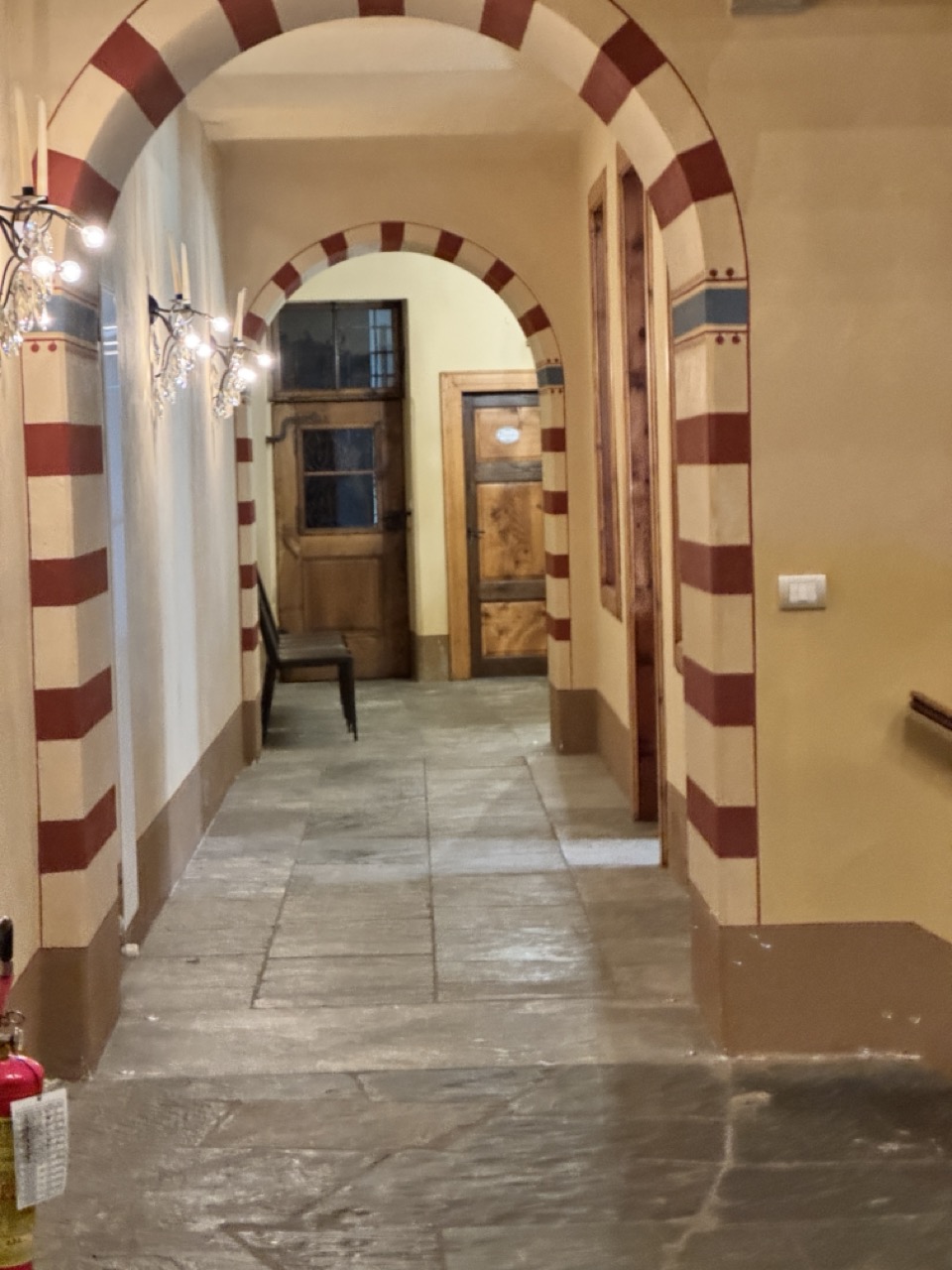
In the main hall, meanwhile, there’s an 1800s decoration by Giovanni Gavazzeni, a painter from Talamona: an allegory of the vine and its fruit, with the young Bacchus as the star of the scene.
The Oratory of San Domenico
On the east side of the complex there’s the Oratory of San Domenico. It’s documented at least from 1697, when it first appears in the records of a pastoral visit. In 1754 it is recorded as being under the patronage (giuspatronato) of the heirs of Dr Luigi Gatti: in practice, the family directly controlled the way it was run.
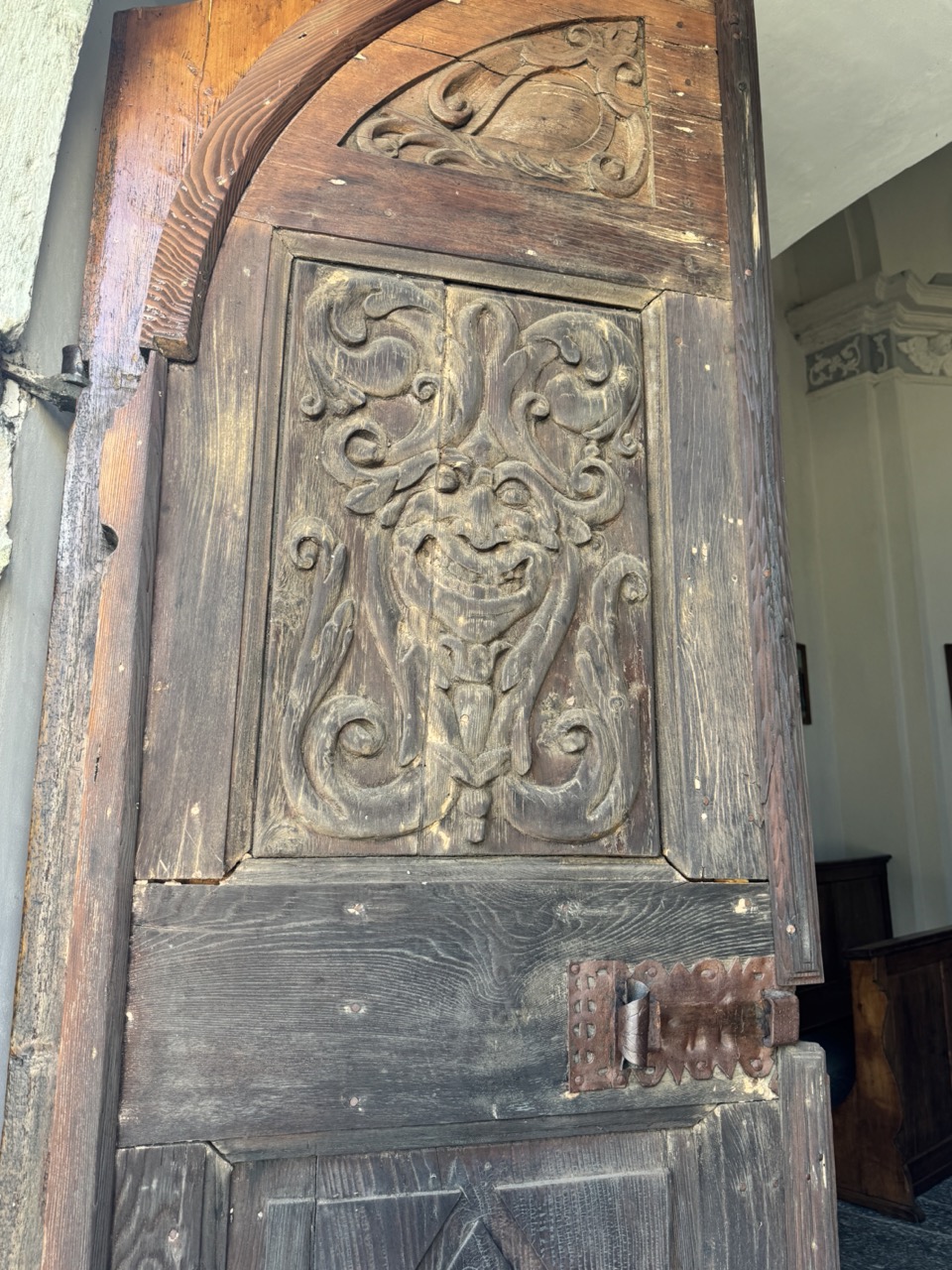
On the main door there are two carved grotesque faces with a clearly defined smirk (according to symbolic tradition, they were meant to keep evil away from this sacred place).
And then there’s the detail that’s truly “yellow” town trivia. The altarpiece we see today, showing San Domenico receiving the Rosary from the Virgin, wouldn’t be the original. According to a local historical source, the real painting was stolen, and the current one is a replacement—taken from a similar canvas by Carlo Marni that had been in the church of Bratta. Only one source tells the story. But it’s too good not to share with you—especially with that preface.
Lastly, on the counter-façade there’s an 18th-century wooden structure: the matroneum, from which the women of the family attended the services without mixing with the rest of the congregation.
The Mascioni family and the wine that used to pass through the Bernina
In 1895 Giacomo Mascioni bought La Gatta. The family were wine traders: his father Domenico lived in Poschiavo and bought wine in Valtellina to resell it there.
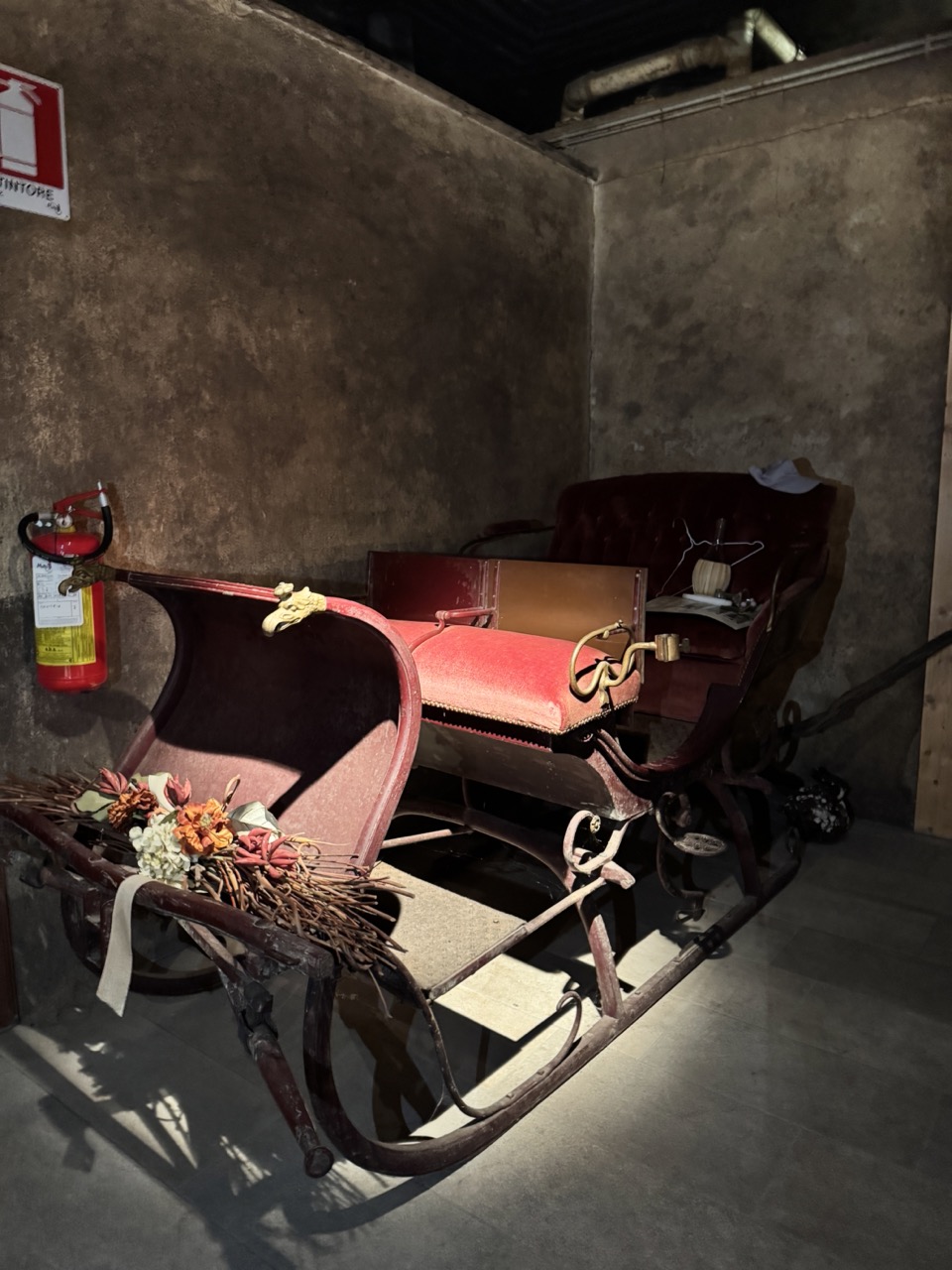
Before 1865, transport was done using mules and small casks of about 45 litres. When avalanches blocked the pass of the Bernina, the barrels were buried in the snow—so the wine wouldn’t freeze.
Under the Mascioni family, La Gatta became a point of reference for work in Bianzone. A 1965 document explains that the estate allowed many residents to work in the village instead of emigrating. During the grape harvest, up to 70–80 workers in the summer months. The family even became among the valley’s biggest vineyard owners: Guido Mascioni donated the Casa Confortola to Bianzone as the site of the kindergarten, named after his father Giacomo.
From 1969 to today: the Triacca Estate
In 1969 the property passed to the Triacca family. In 2008 the complex was restored, without completely changing its style.
With its 13 hectares, La Gatta is today the largest wine estate in Valtellina with a single owner.
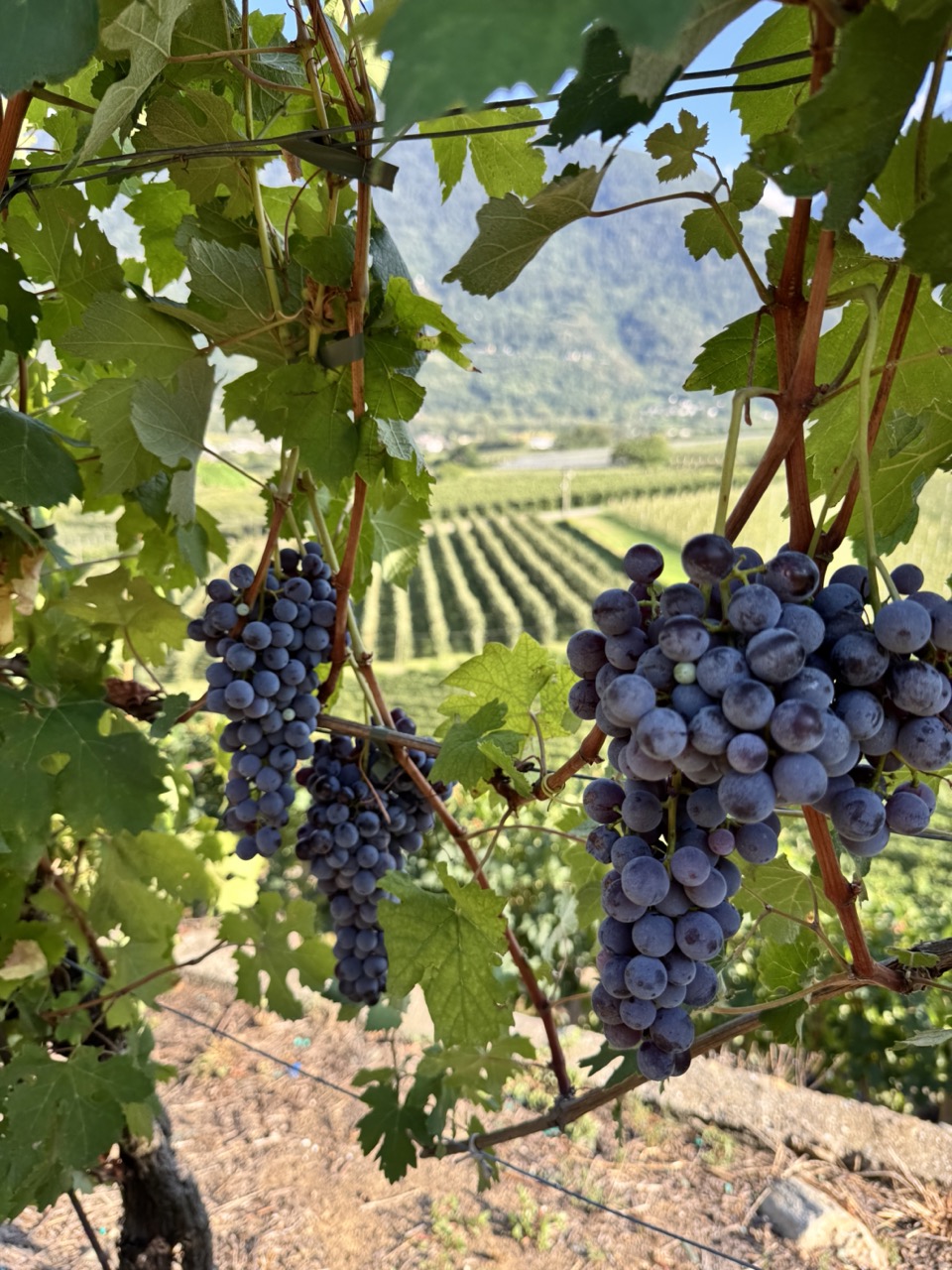
The vineyards are farmed for 90% with Nebbiolo, the valley’s flagship grape, with small plots of Pignola, Sauvignon Blanc and Moscato Rosa. They grow at an altitude of between 300 and 500 metres, on horizontal terraces (the technique is called girapoggio), designed to give the vines maximum sun exposure.
We tell the story in video too
The story of the Santa Casa of Tresivio is featured in the fifth episode of Tra Radici e Segreti, the video series that sees the collaboration between Calendario Valtellinese and Waltella Vibes.
If you want to watch the reel again, you can find it on our YouTube profile
Follow us on Facebook and on Instagram
What to do today at La Gatta
Then there’s the place itself: it genuinely takes your breath away. The estate looks straight out onto the vineyards all around it, with a panoramic terrace and a small balcony among the rows of vines, where the view reaches all the way down to the very bottom of the valley.
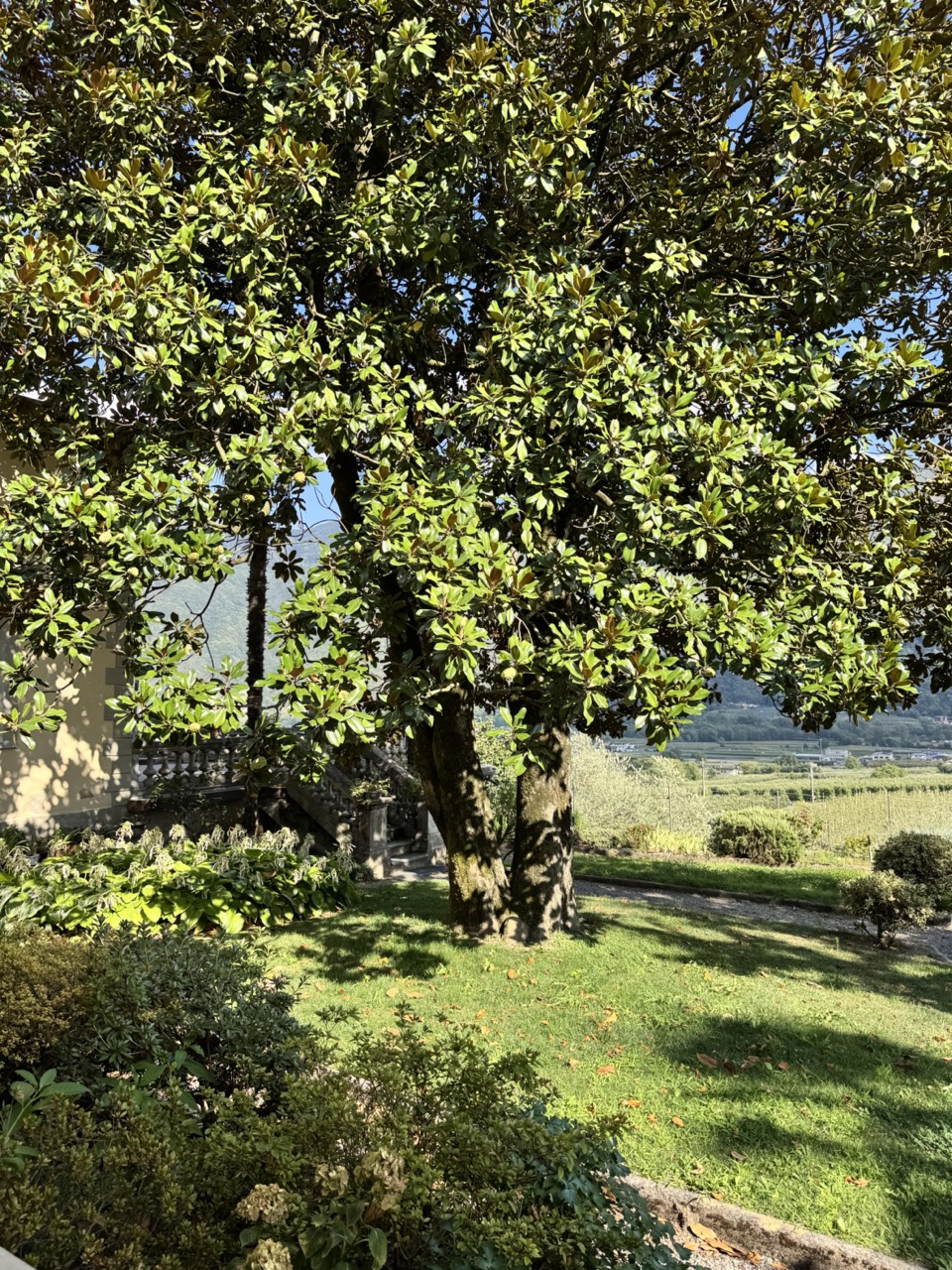
The indoor rooms are lovely, but outside there’s also a well-kept garden down to the smallest detail. It’s no surprise it’s become one of the most requested venues in the area for receptions and weddings, as well as for tastings and lunches. The food here is simple, local and genuinely wholesome—meant to complement the food-and-wine experience rather than to be “a restaurant” in the usual sense.
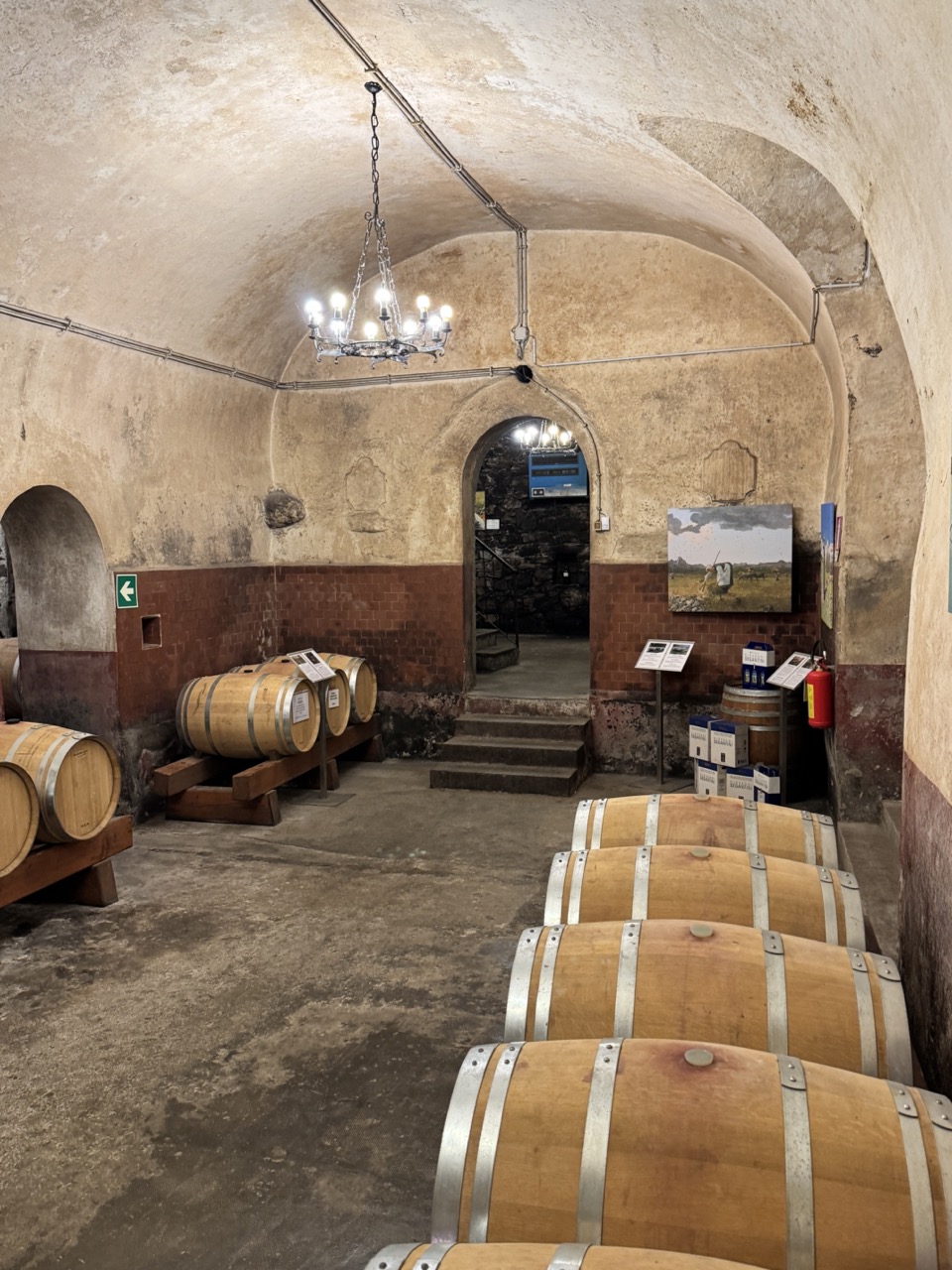
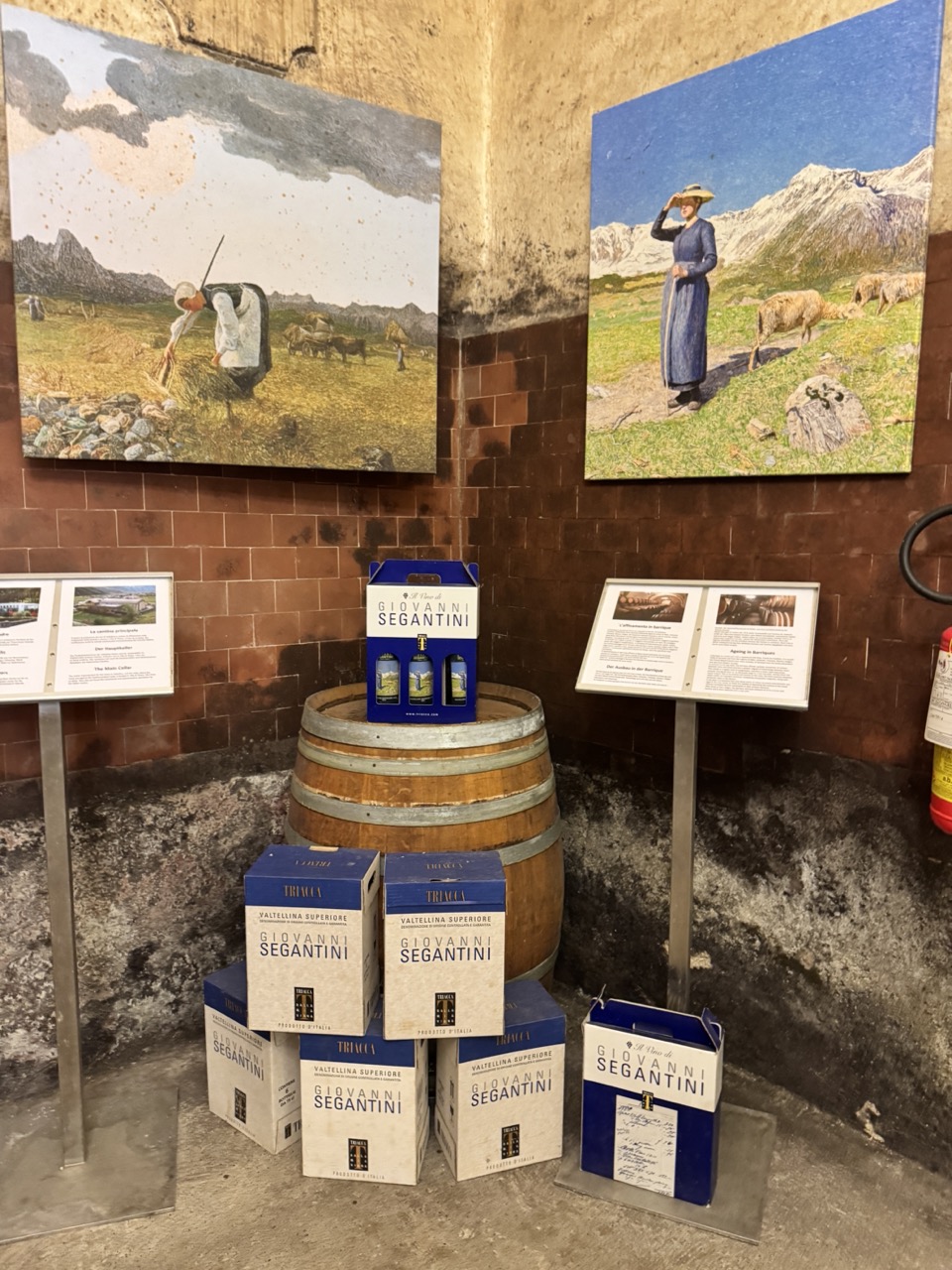
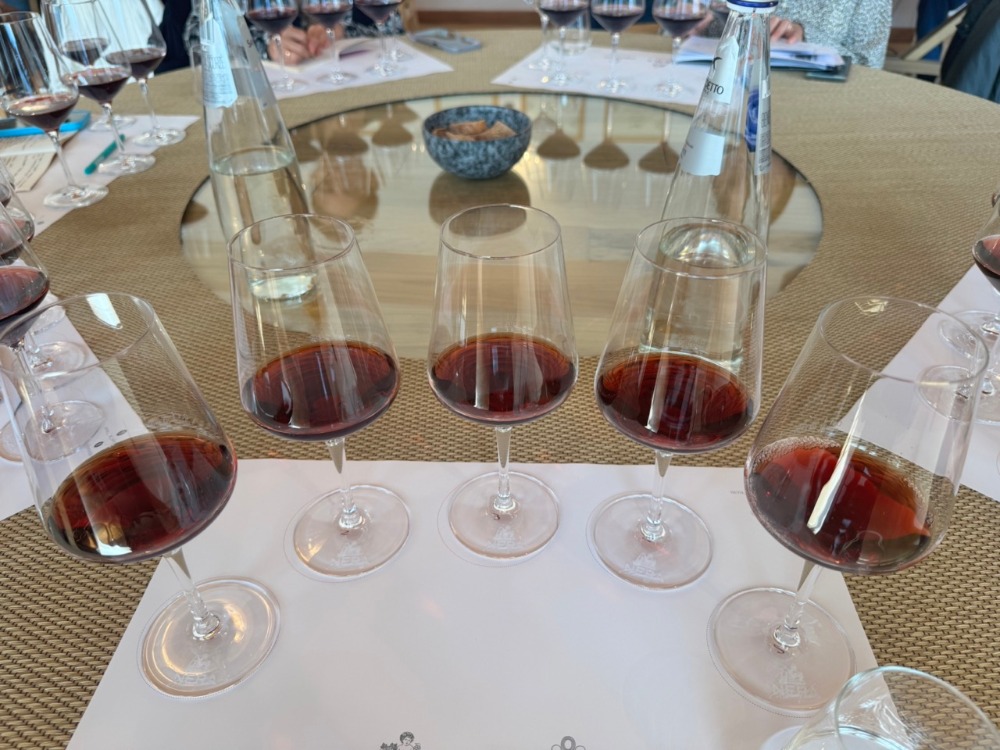
From April to October, from Tuesday to Saturday, you can book a guided tour with a tasting: you walk among the vine rows, head down into the historic cellar, and finish with an aperitif based on typical cured meats and cheeses, paired with a guided tasting of the house wines.
If you want to stay a bit longer, you can add lunch or dinner too, with a typical Valtellina menu and a guided wine tasting included. There’s also the “Pranzo alla Tenuta” (estate lunch), the “Picnic in Vigna” (picnic in the vineyard), and the “Apericena” (aperitif dinner) on summer evenings.
From November to March, guided tours are by booking only, for groups of at least ten people.
From a story passed down by word of mouth to a place you can visit today—where you taste and hear the tale told again. Glass by glass. La Gatta, after all, has always done the same thing: bring together the land, the wine and the people who work it.
You’ll find it at via Gatta, 33 in Bianzone