Complex of Sant’Antonio in Morbegno
An artistic and architectural treasure in the historic center of Morbegno
The Complex of Sant’Antonio is located in the heart of Morbegno, in Piazza Sant’Antonio. It includes the church of Sant’Antonio Abate and the adjacent Dominican convent dedicated to San Pietro Martire. The church, enlarged in the last decades of the 15th century, features a large single nave, typical of the Observant Dominican architecture, free of columns that obstruct the view towards the altar and the ambo.
🎨 Notable Works and Frescoes
- Porch and lunette: the entrance is adorned with an elegant porch, created by Francesco Ventretta in 1571. Under the barrel vault is a bright Nativity, a fresco by Gaudenzio Ferrari dating back to 1526, depicting the Madonna, San Giuseppe, and angel musicians.
- Renaissance Pietà: beneath the Nativity fresco, a sculpture depicting the Pietà, created by Vincenzo Ventretta di Piuro, adds emotional depth to the entrance.
- Internal frescoes:
- Stories of Saint Catherine of Alexandria: in the first chapel on the left, attributed to artists from the Como area.
- The Four Evangelists: in the third chapel on the left.
- Stories of Saint Martin of Tours: in the third chapel on the right.
🏛️ The Cloister and the Convent
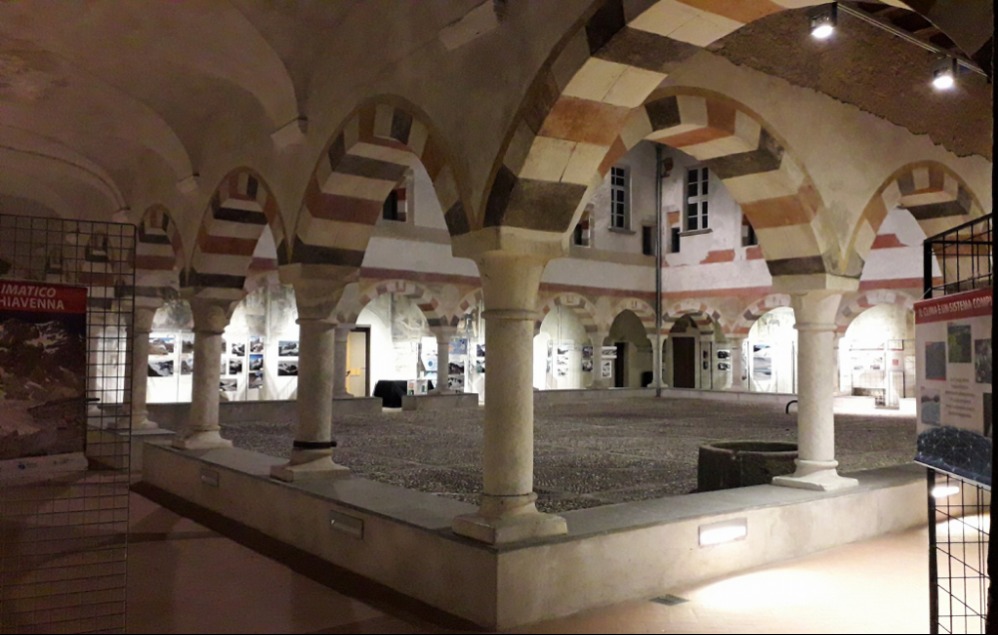
The adjacent convent features a cloister with lowered arches supported by columns of white marble from Musso. The walls of the ambulatory are decorated with 17th-century frescoes depicting episodes from the life of Saint Dominic.
🕰️ Current Use
After a careful restoration, the complex has been returned to the community with new functions:
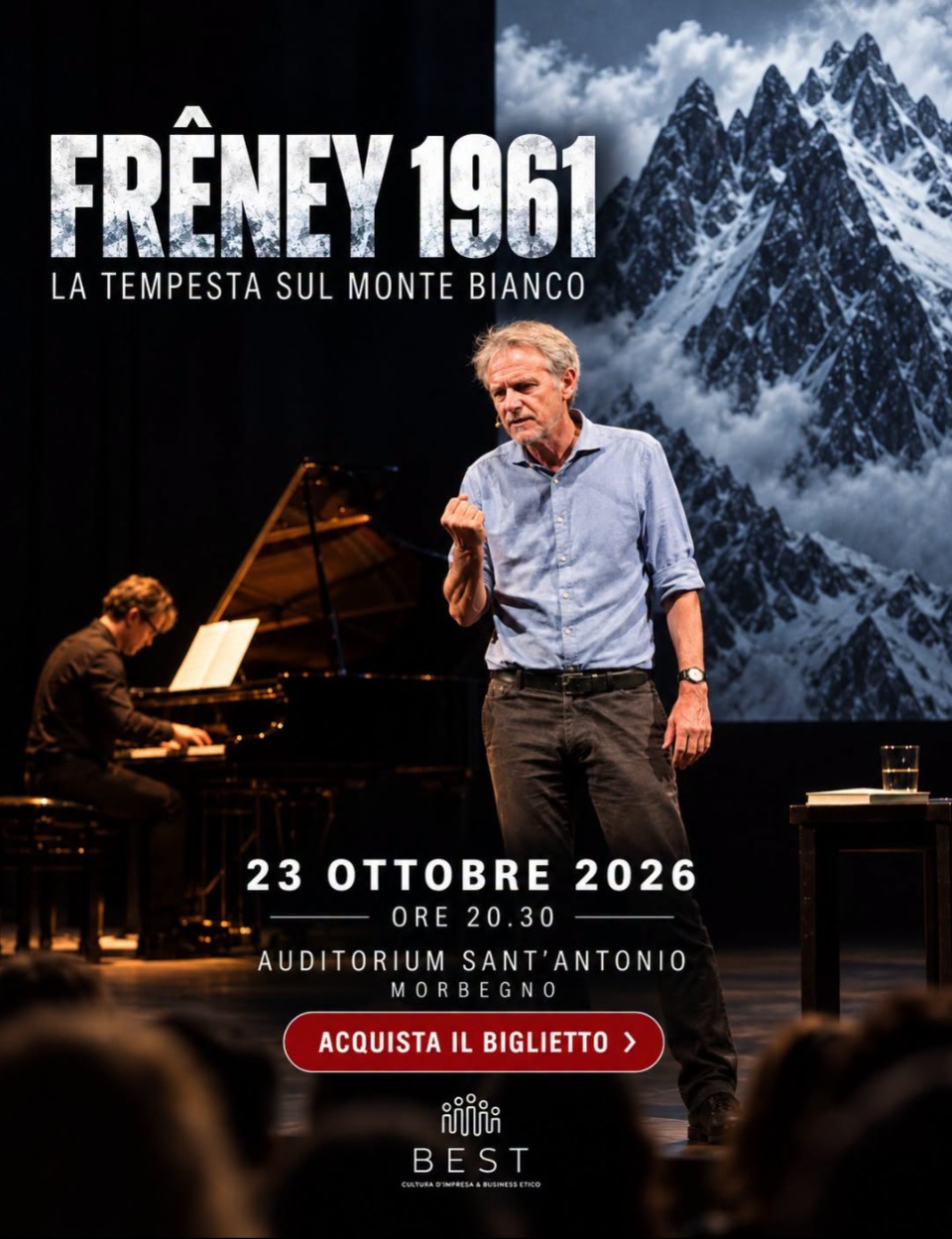
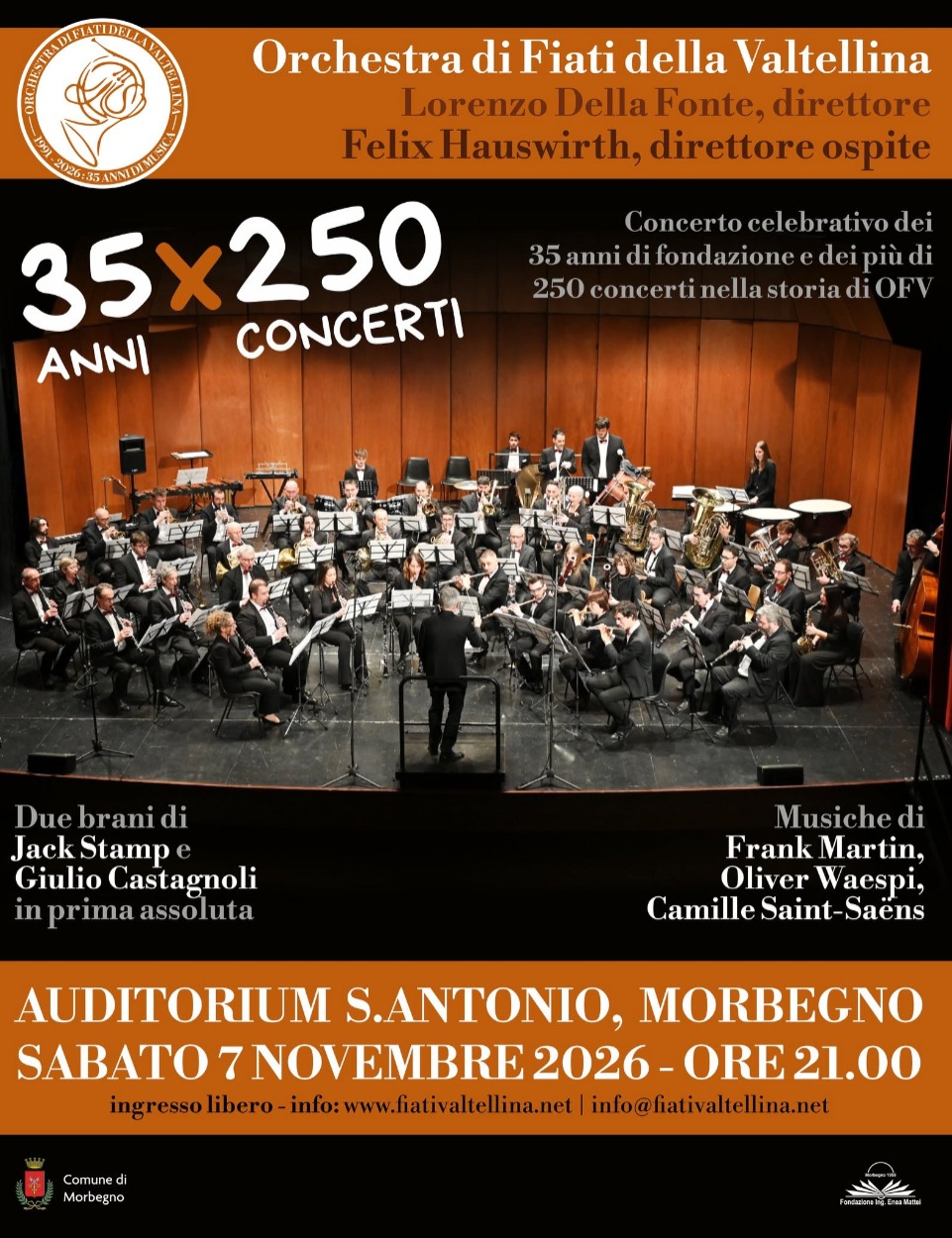
- Church: used as an Auditorium for concerts and cultural events.
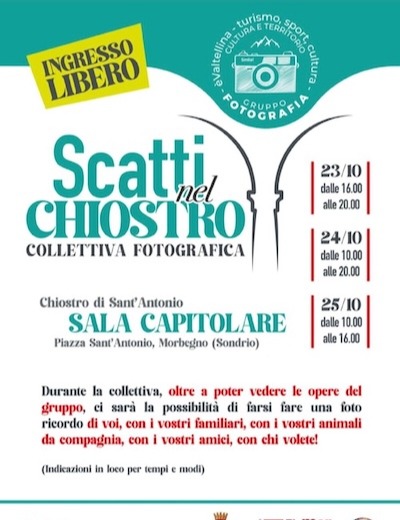
- Convent Rooms: used for conferences and exhibitions.
- Cloister: space for events and temporary exhibitions.
📍 How to Get There
- Address: Piazza Sant’Antonio, 23017 Morbegno (SO)
- By Car: from Sondrio, follow the SS38 towards Morbegno.
- By Train: Milano–Lecco–Sondrio line, Morbegno station.
🎯 Why Visit It
The Complex of Sant’Antonio in Morbegno represents an important example of Renaissance architecture and art in Valtellina. The works of Gaudenzio Ferrari and the frescoes of the chapels provide a cultural experience of great value. The transformation of the complex into a cultural space makes it a vibrant and accessible place all year round.