The castles of Valmalenco

Torre Santa Maria

Discover the medieval towers of Torre di Santa Maria, in Valmalenco: Melirolo, Ca' di Risc and Volardi. A journey through history, legends, and alpine landscapes.

 Castles and Towers of Torre di Santa Maria: stone sentinels in Valmalenco

🏞 A defensive system among the mountains

In the heart of Valmalenco, the municipality of Torre di Santa Maria preserves a little-known yet fascinating historical heritage: a system of towers and defensive structures that, in the Middle Ages, overlooked the valley and its accesses. These towers, strategically positioned, formed a network for observation and visual communication, essential for the valley's safety.​

🧱 The Melirolo tower: between defense and legend

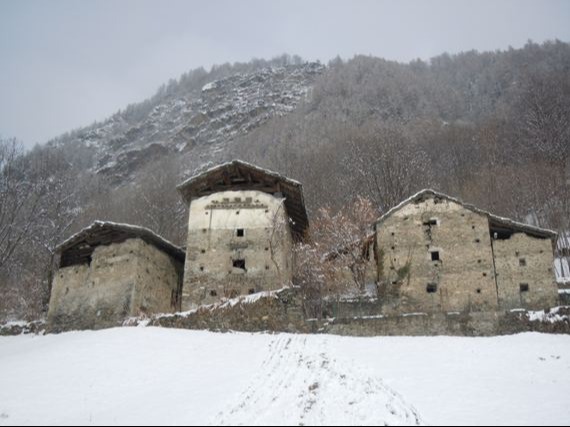
Located in the district of Melirolo, at about 838 meters above sea level, this tower stands out for its stone structure and white plaster, with small square openings and three upper loopholes. Inside, the niches carved into the walls testify to its use as a dovecote. The tower was part of a communication system that used light signals and carrier pigeons to transmit messages between the various positions in the valley. ​

🏰 The Volardi castle: the ancient heart of the village

In the historical center of Torre di Santa Maria, in the locality of Volardi, lie the remains of an ancient castle, from which the village gets its name. Although today only some traces remain, this site represents the original core of the settlement and testifies to the strategic importance of the area in monitoring the valley. 

🗼 The Ca' di Risc tower: sentinel over the valley

In the district of Sant'Anna, the tower of Ca' di Risc rises as another testament to the medieval defensive system. Positioned at about 800 meters above sea level, this tower offered a privileged observation point over the Mallero valley, allowing monitoring of movements along the valley and quick communication with the other towers. ​

📍 How to get there

Torre di Santa Maria is located about 10 km from Sondrio, easily reachable by car along the SS38 dello Stelvio. Once in the village, the districts of Melirolo and Sant'Anna are accessible via local roads and hiking trails.​

🎯 Why visit them

✔ To discover a unique medieval defensive system
✔ To immerse yourself in the history and legends of Valmalenco
✔ To enjoy breathtaking views of the Retic Alps
✔ To experience an authentic adventure away from traditional tourist circuits
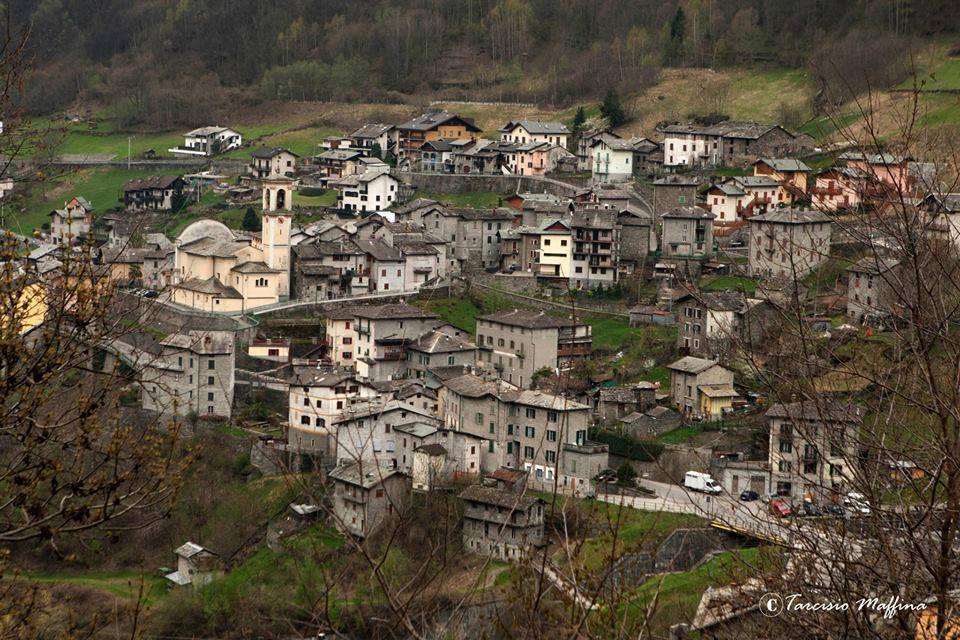
🏘️ Scopri il comune di Torre Santa Maria

Durante l'ultima fase glaciale dell'epoca quaternaria si formò il grande ghiacciaio Malenco che scendeva dalla catena del Bernina. Al finire del periodo glaciale cominciò la ritirata definitiva delle grandi masse gelide che lasciarono laghi, fiumi, torrenti e grossi depositi morenici su cui, progressivamente, si manifestò un notevole inerbamento. La fauna della pianura del Po', sottoposta a grandi battute di caccia da parte degli aborigeni, per fuggire dalle zone di pericolo, avventurandosi sulle montagne (Orobie) e risalendole, raggiunse la Valtellina. Le grandi paludi di fondovalle, alimentate dalle acque della deglaciazione, sospinsero gli animali alla ricerca di pascoli formatisi sulle più antiche morene. La Valmalenco, al suo imbocco, a quel tempo aveva già un habitat idoneo ad ospitare quella fauna. Gli animali vi approdano e con loro, poi, anche i cacciatori (homo alpinus) che si stanzieranno definitivamente in epoca risalente al 3000 a.C. Foto storia Il primo stanziamento umano malenco doveva essere situato nella zona di Cagnoletti (Involto-Cagnoletti-Bressia) e, gradatamente, raggiunse tutta la zona di Torre di Santa Maria, prima parte della valle a coprirsi di vegetazione. La caccia dovette essere l'unico modo di concepire la vita che, probabilmente, si svolse in rifugi rudimentali e, nell'area di Cagnoletti, in capanne su palafitte a causa dei ghiacci ancora molto bassi sul fondovalle. Nulla si sa di quelle tribù alpine in quei tempi remoti e la documentazione storica fornisce come certe notizie al 200 d.C.. Roma, nel progetto di espansione imperiale, sferra l'attacco alle alpi Centrali, elimina ogni resistenza e impone la sua documentazione (15 d.C.), rimandando comunque la sua entrata in Malenco solo nell'anno 250 d.C. Nel 252 d.C. il Console P. Licino Valeriano riconosce l'importanza commerciale e strategica della Valmalenco e progetta la costruzione della strada del Muretto verso il cuore della Rezia, avvalendosi della posta che da Mossini, dove passava la via Valeriana, conduceva a Cagnoletti e poco oltre. La progressiva romanizzazione della Valle consiste nel passaggio graduale verso una forma di vita più evoluta. In Malenco, sulla base delle antiche stazioni umane e di ciò che resta di esse (Cagnoletti–Torre), si vanno con infinita lentezza formando coaguli di umanità lungo la carovaniera del Muretto.Scopri di più. Clicca qui

VAI AL COMUNE

Come arrivare a The castles of Valmalenco