Piazza Cavour

Sondrio

Discover Piazza Cavour in Sondrio: history, covered market, fountains, and medieval connections. One of the oldest and most authentic squares in the city.

The historical and commercial heart of the city

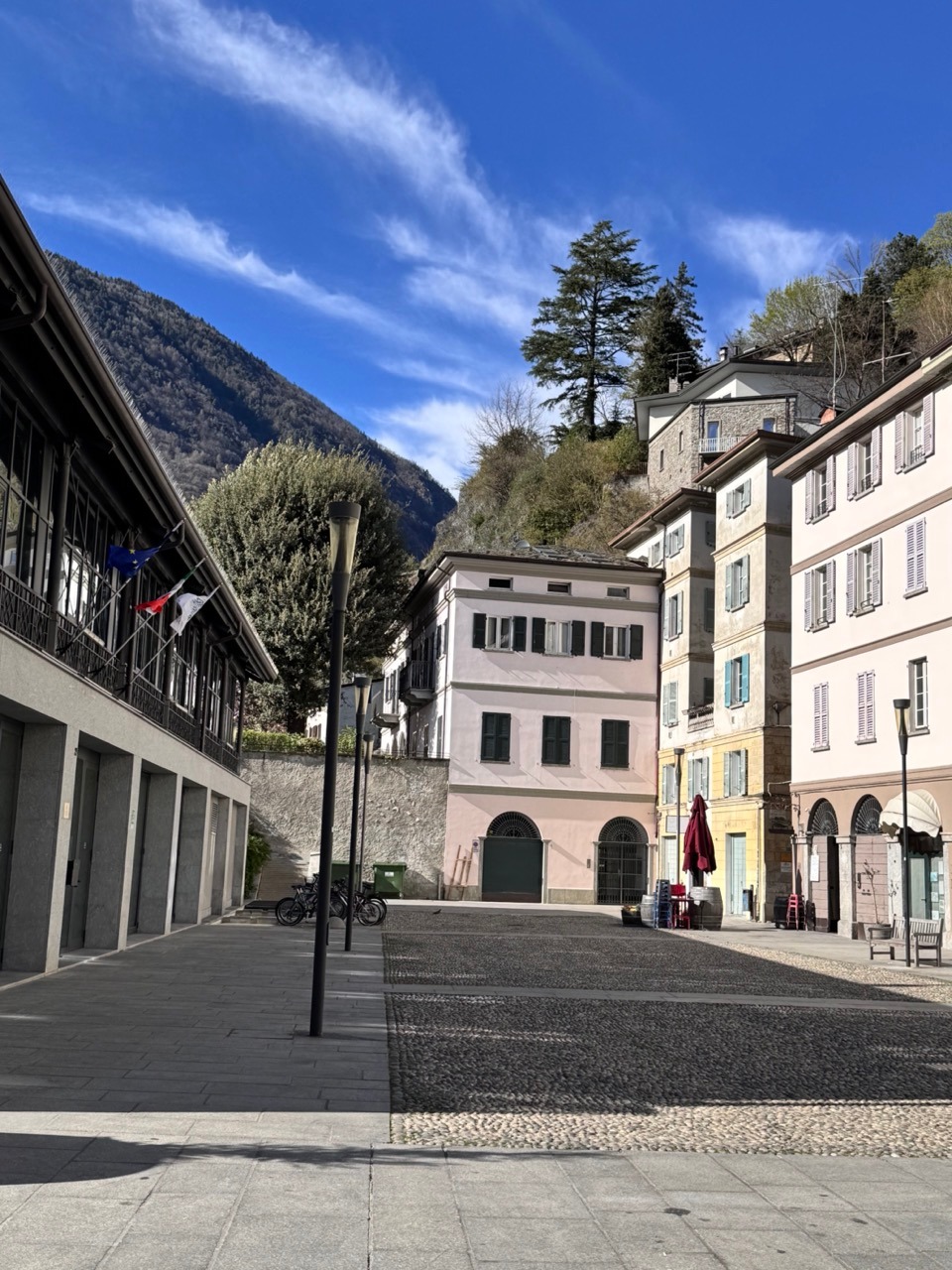
Piazza Cavour, also known as "Piazza Vecchia", is one of the most authentic and historically rich corners of the center of Sondrio. For centuries it has been the hub of city life: markets, fairs, and public gatherings took place here, animating all of Valtellina.

Today, it retains the charm of its origins, amidst architectural testimonies and traces of its ancient commercial vitality.

📚 History and architecture

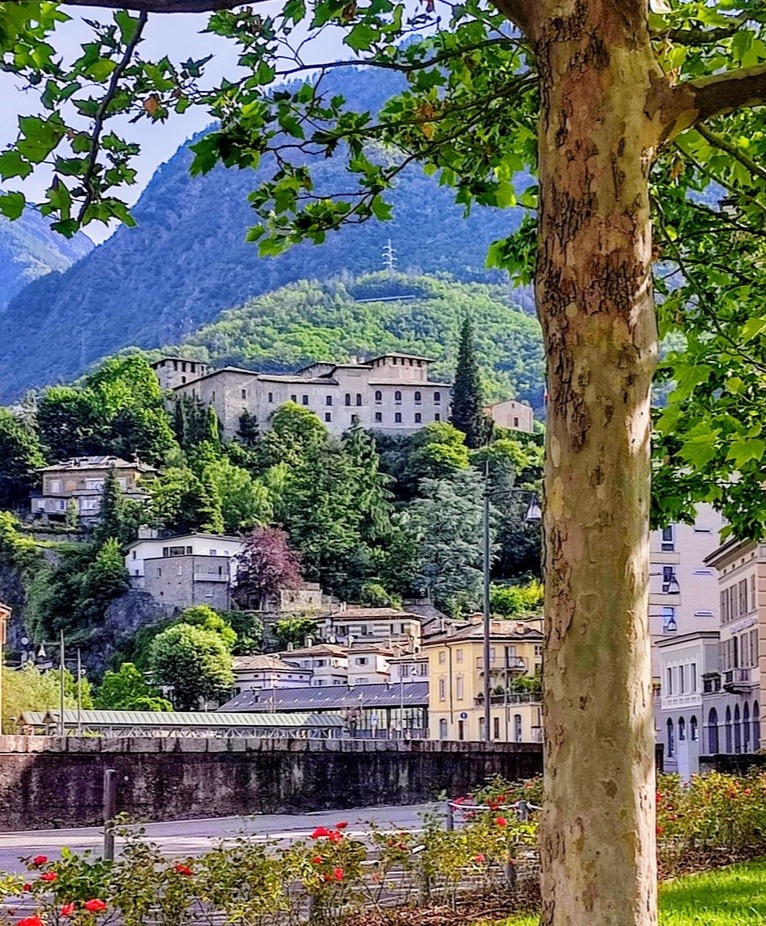
Located between the Mallero stream and the medieval core of Sondrio, Piazza Cavour has been for centuries the economic and social center of the city.

Surrounding the square are historic buildings, including eighteenth-century houses with stone portals and remnants of the medieval walls. Despite modern urban interventions, the square has managed to preserve its original character.

Important for its strategic position, it was a key node for trade and connections between different parts of the city.

🛋 The market canopy

In 1933, an iron and concrete canopy was built to host the covered market.

This element, still visible today, testifies to the commercial vocation of the square and continues to represent a gathering point for citizens and visitors.

🌊 The fountain and the call to water

At the center of the square, a flush fountain has been installed, a tribute to the historical presence of the "Malleretti," the water channels derived from the Mallero that flowed through the city, feeding mills and irrigating gardens.

An element that symbolically recalls the deep bond between Sondrio and its territory.

🚴️ The horse post and Salita Ligari

Piazza Cavour housed the ancient horse post, fundamental in past centuries as a changing station for travelers and merchants. This confirms the central role of the square in the trade and connections between Valtellina and other regions.

From here also begins the suggestive Salita Ligari, a historic staircase that connects the city center to the Scarpatetti district and to the Masegra hill, dominated by Castel Masegra.

The Salita Ligari of Sondrio is named after the famous family of Valtellinese artists of the eighteenth century, the Ligari, who played a leading role in the cultural history of the city.

The staircase, consisting of about 200 steps, connects the historic center of Sondrio to the Scarpatetti district and to the Masegra hill, where Castel Masegra stands. Along this path, you find the house of the Ligari family, making the climb a symbolic place that testifies to the deep connection between the city and this illustrious family of artists.

🚶‍♂️ How to reach

  • On foot: a few minutes from Piazza Garibaldi and the historic center.
  • By car: parking available along the Mallero and in nearby streets.
  • By train: Sondrio train station about 10 minutes on foot.

📀 Useful information

  • Location: Piazza Cavour, Sondrio (SO)
  • Access: free
  • Recommended period: year-round

🚶‍♂️ How to reach

  • On foot: from the center of Sondrio, a few minutes from Piazza Garibaldi.
  • By car: parking available in the surroundings (recommended along the Mallero).
  • By train: Sondrio train station about 10 minutes on foot.

📀 Useful information

  • Location: Piazza Cavour, Sondrio (SO)
  • Access: free
  • Recommended period: year-round

🏘️ Scopri il comune di Sondrio

Sondrio

Al centro della grande piana della media valle e alle porte della Valmalenco, il capoluogo provinciale nonché città più popolosa della provincia, è adagiata al versante retico, quello a nord.

Su questi poggi rocciosi si trovano varie frazioni dell'antico abitato di Sundrium, che nel corso dei secoli si è espansa a sud, verso le maestose Alpi Orobie.

Il suo clima continentale, caratterizzato da inverni freddi ed estati mitigate, ha favorito lungo i secoli (come nel resto della media valle), in particolare  sul versante retico, soleggiato e con un microclima quasi mediterraneo, lo spettacolo unico di immense estensioni di terrazzamenti vitati che ancora oggi circondano la città.

I vigneti intorno a Sondrio rappresentano uno dei più straordinari e spettacolari esempi di trasformazione del territorio da parte dell'uomo, di ingegneria rurale, per sfruttare al meglio ciò che la natura mette a disposizione in una regione dove il clima certamente non rappresenta per l'agricoltura un elemento favorevole.

Questi vigneti rappresentano ancora oggi un bene culturale prezioso al pari di altre opere dell'ingegno umano che siamo abituati a vedere e ad ammirare. 

Sondrio è una città principalmente centro amministrativo, ma che ha conosciuto dal dopoguerra a oggi un discreto sviluppo di attività industriali e artigianali come commerciali e di servizi.

La città presenta vari punti d'interesse, storici, artistici e paesaggistici.

Partendo da quest'ultimi, non puoi mancare di fare un'escursione, a piedi o in bicicletta, fra i vigneti che sovrastano la città, partendo o arrivando da una via che si snoda dal centro storico ottocentesco e neo-classico (Piazza Garibaldi con il suo recentemente ristrutturato Teatro sociale e Piazza Campello con la chiesa della Collegiata e la Torre ligariana), attraverso la città barocca (Palazzo Sertoli e Palazzo Sassi) e poi rinascimentale-medievale (Piazza Quadrivio e la città “vecchia”, Scarpatetti, la via principale del borgo antico che risale verso il cinquecentesco Castel Masegra e le vigne).

Da segnalare il circuito della Sassella, un percorso che attraversa una zona viticola a terrazzamenti di particolare pregio (Valtellina Superiore e Grumello) e caratteristiche frazioni della città (oasi di pace e vita di un tempo, come Ronchi e Majoni o Triangia, da cui godrai di una magnifica vista che domina la media valle).

Per gli amanti delle escursioni, da provare ci sono anche il Sentiero della Memoria e l'inizio del Sentiero Rusca (storica via che attraverso la Valmalenco e il passo del Muretto faceva di Sondrio un centro di interscambio commerciale con l'Engadina).

Da ricordare infine il Museo del Vino, il Museo di Storia e Arte e le moderne architetture di Villa Quadrio e Palazzo Muzio, Palazzo Pretorio con la Stua del Sindaco,

il Museo Valtellinese di Storia e Arte, la collezione di minerali Fulvio Grazioli (presso Palazzo Martinengo),tutti siti nel cuore della città “bassa”.

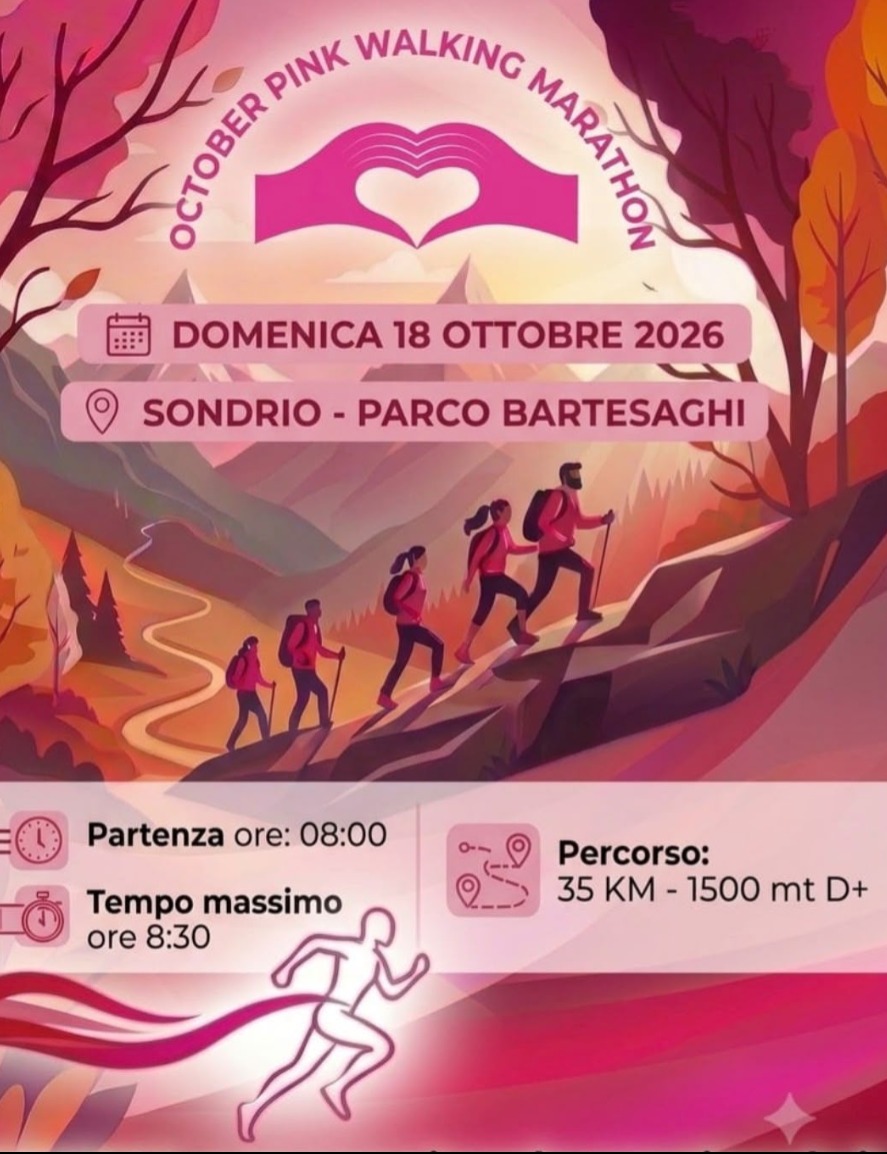
Ultimo ma non ultimo il grande Parco Bartesaghi Adda Mallero che si incontra provenendo da Milano sulla destra prima dell'ingresso alla città.

Scarica qui la piantina della città

Per ulteriori informazioni visita il sito del Comune di Sondrio

VAI AL COMUNE

Esperienze da vivere a Sondrio

🤝 Partner di fiducia scelti da noi

Come arrivare a Piazza Cavour