Mineralogical and Natural Museum

Bormio

Discover the Mineralogical and Naturalistic Museum of Bormio: over 14,000 crystals and minerals, artisan workshop, hours and contacts. A must-visit stop in Valtellina.

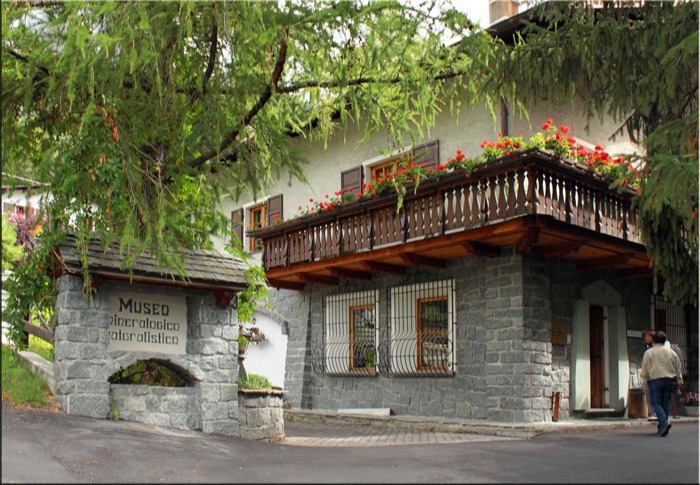
Bormio Mineralogical and Natural History Museum

📍 Where it is located

The Bormio Mineralogical and Natural History Museum is located at Via Monte Ortigara 2, in the center of Bormio, province of Sondrio.​

🧾 What it offers

Founded in 1972 by Edy Romani, the museum hosts a collection of over 14,000 crystals and minerals mainly sourced from the Alps and other parts of the world. Among the most notable pieces are specimens of quartz, garnets, calcites, and rare species.​

The museum consists of two sections:

  • A room dedicated to the exhibition of stones
  • A naturalistic area with reconstructions of the mountain environment, typical flora and fauna of the area​

There is also a craft laboratory where manual processing of hard stones takes place, with the possibility of purchasing minerals and handcrafted items.​

🕒 Opening hours

The museum is open every day with the following hours:​

  • 9:00 – 12:30
  • 15:00 – 19:00​

📞 Contacts

  • 📍 Address: Via Monte Ortigara 2, 23032 Bormio (SO)
  • ☎️ Phone: 0342 927285
  • 📧 Email: ediiroma@tin.it


🚗 How to get there

Bormio can be reached by car via the SS38 from Sondrio. The museum is located in the town center, with parking available nearby.​

🔍 Why visit it

The Bormio Mineralogical and Natural History Museum is a recommended stop for:​

  • Geology and mineralogy enthusiasts
  • Families looking for educational activities
  • Hikers interested in local geology​

🏘️ Scopri il comune di Bormio

L'origine di Bormio è sicuramente molto antica. Lo conferma il ritrovamento di un bassorilievo risalente a un periodo compreso tra la metà del V sec. A.C. e i primi decenni del IV (anche se autorevoli studiosi pospongono di qualche secolo questa datazione). Lo stesso nome denuncia un’origine assai remota nel tempo: Bormio deriverebbe dall’indoeuropeo gwor “caldo”, labializzato dai leponzi in bhor, evidentemente per la presenza delle sorgenti termali. L’etimologia è tuttavia ancora oggetto di discussione. È certo che la particolare posizione geografica fu determinante per l’abitato che da sempre costituì un crocevia strategico per i suoi passi alpini. Se per quanto riguarda l’epoca romana si possono soltanto azzardare ipotesi, la storiografia e i documenti forniscono notizie più certe a partire dagli albori del primo millennio quando Bormio fu al centro di lunghe contese tra i vescovi di Como e di Coira. In quel periodo divenne il capoluogo di un contado che affermò la propria autonomia amministrativa, economica e giuridica, ottenendo privilegi e dazi sulle merci in transito, da sud verso nord e viceversa. Dal 1376 Bormio, insieme alla Valtellina, divenne area di influenza dei Visconti di Milano.Scopri di più. Clicca qui

VAI AL COMUNE

Esperienze da vivere a Bormio

🤝 Partner di fiducia scelti da noi

Come arrivare a Mineralogical and Natural Museum